
You’ve just left the shop with fresh ink, and your first instinct might be to slather on whatever’s in your medicine cabinet. Stop right there—what you apply in these critical first days can mean the difference between vibrant artwork and a faded, damaged piece. The products sitting on your shelf right now could already be working against you.
Key Takeaways
- Apply a thin layer of petroleum-based ointment like Aquaphor or A+D to keep fresh ink moist.
- Avoid butter, coconut oil, sunscreen, alcohol-based products, and hydrogen peroxide completely.
- Clean gently with fragrance-free antibacterial soap, pat dry, then apply ointment after bandage removal.
- Switch to unscented lotion around days 3–4 when oozing stops and skin feels tight.
- During peeling, use fragrance-free lotion 2–3 times daily; never pick or scrub shedding skin.
Recommended Products

TATTOO AFTERCARE ESSENTIAL: Hustle Butter is the original tattoo aftercare balm for new and older tattoos. With over 10 years in the market, we are a pioneer of the tattoo aftercare category.

FROM THE LEADER IN TATTOO AFTERCARE: For years now, Mad Rabbit has consistently ranked among the most popular and highest-rated tattoo products on the market. We’ve created a top-of-the-line Tattoo Glide to help professional tattoo artists do their best work.

SOOTHES & MOISTURIZES NEW TATTOOS: Deeply hydrating tattoo aftercare balm that supports the skin’s natural recovery process, helps reduce dryness and itchiness, and keeps fresh ink feeling comfortable.
Best Ointments for a New Tattoo (Plus What Never to Use)
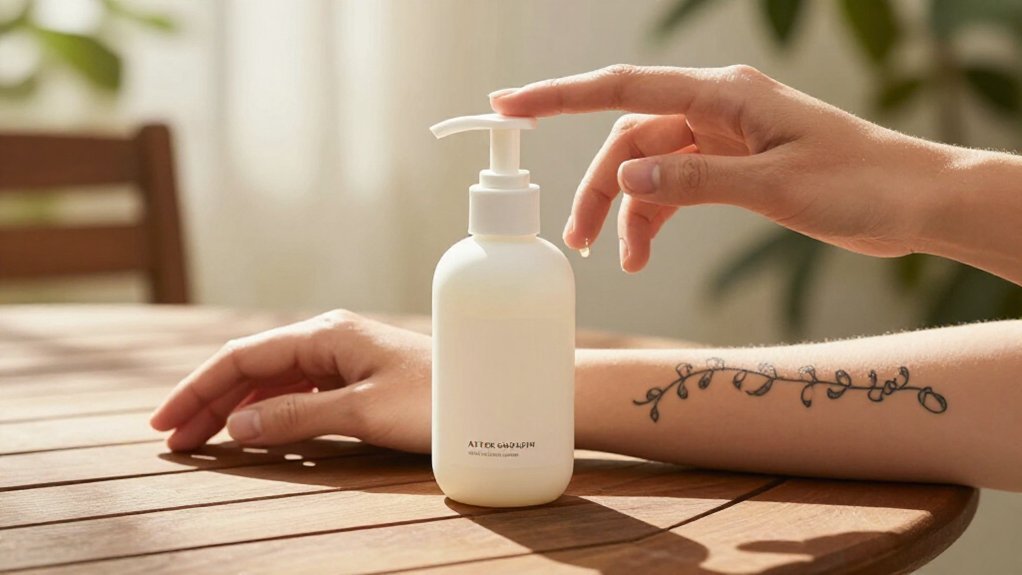
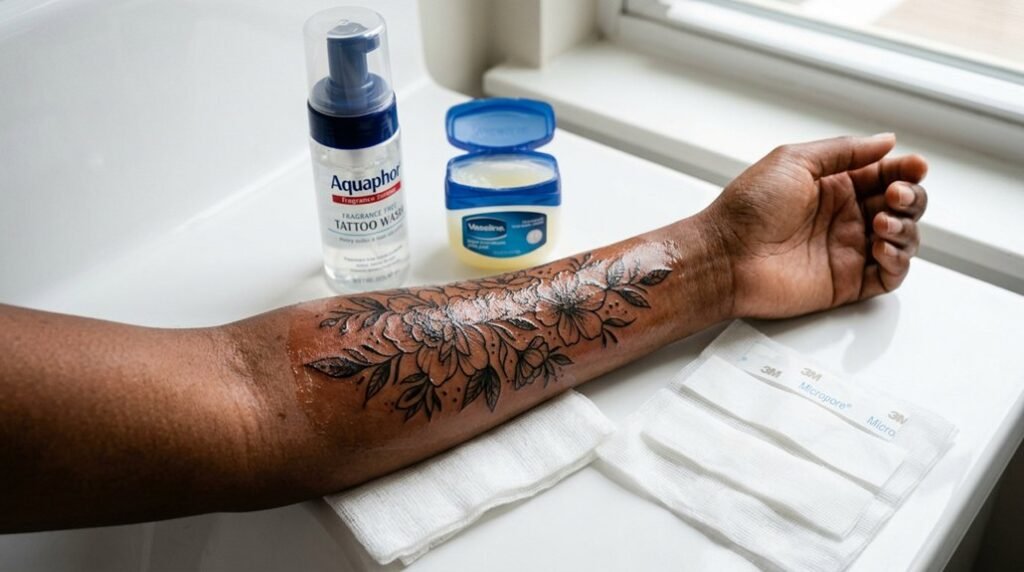
So what should you actually slather on your fresh ink? You want a thin layer of petroleum-based ointment or a dedicated tattoo aftercare product. Aquaphor and A+D ointment work well. You’ll apply just enough to keep the skin moist without drowning it. Some artists recommend fragrance-free lotions after the first few days.
You’ll never use petroleum jelly with added medications, antibiotic ointments, or Neosporin. These trap bacteria and cause allergic reactions. You won’t use butter, coconut oil, or sunscreen on fresh ink either. Avoid alcohol-based products and hydrogen peroxide completely. They’ll dry out your tattoo and damage healing tissue.
You should wash your hands before touching the area. You’ll pat, never rub, when cleaning. Follow your artist’s specific instructions above all else.
Recommended Products

Gentle, Deep Cleansing: Tattoo Goo Foaming Cleansing Soap for tattoos and piercings helps remove impurities and clean the inked or pierced areas at a deep level by removing dirt, dead skin cells, and killing germs without damaging the skin

GENTLY CLEANSES NEW TATTOOS - Use Repair Tattoo Wash during the healing process to keep your fresh tattoo ink clean or as a perfect prep wash before and after tattooing.

GREAT FOR NEW TATTOOS - H2Ocean Blue Green Foam Soap cleanses skin on and around new tattoos and the addition of aloe vera aids the healing process.
How to Cover and Protect Your Ink: The First 24 Hours
The first day sets the foundation for how your tattoo heals. Keep that bandage on for the timeframe your artist specified—typically two to six hours. You shouldn’t remove it prematurely, and you definitely shouldn’t rewrap it with plastic wrap yourself.
Once you take the bandage off, wash your hands, then gently clean the tattoo with fragrance-free antibacterial soap. Pat it dry with a clean paper towel. Apply a thin layer of the ointment your artist recommended. Don’t suffocate it—your skin needs to breathe.
Wear loose, clean clothing that won’t stick to or rub against your fresh ink. Sleep on clean sheets and avoid letting pets near the area. Don’t submerge your tattoo in water, and keep it out of direct sunlight.
You’ve got this—protect it well.
Recommended Products

16-fluid ounce bottle of Lubriderm Fragrance Free Daily Moisture Lotion + Pro-Ceramide, Shea Butter and Glycerin to help restore skin's moisture barrier for healthier-looking skin

Protect Your Body Art: Moisturizing with the bonus of itch relief! Tattoo Goo's Tattoo Care Lotion soothes healing skin & keeps healed ink looking sharp for life. With olive oil & glycerin, it delivers deep, breathable hydration that won’t clog pores

TATTOO AFTERCARE LOTION: After Inked Tattoo Lotion brings hydration and nourishment to your tattooed skin. Formulated with grape seed oil, which helps maintain vibrant ink colors while pacifying the skin and promoting moisture retention.
The Right Time to Switch From Ointment to Lotion
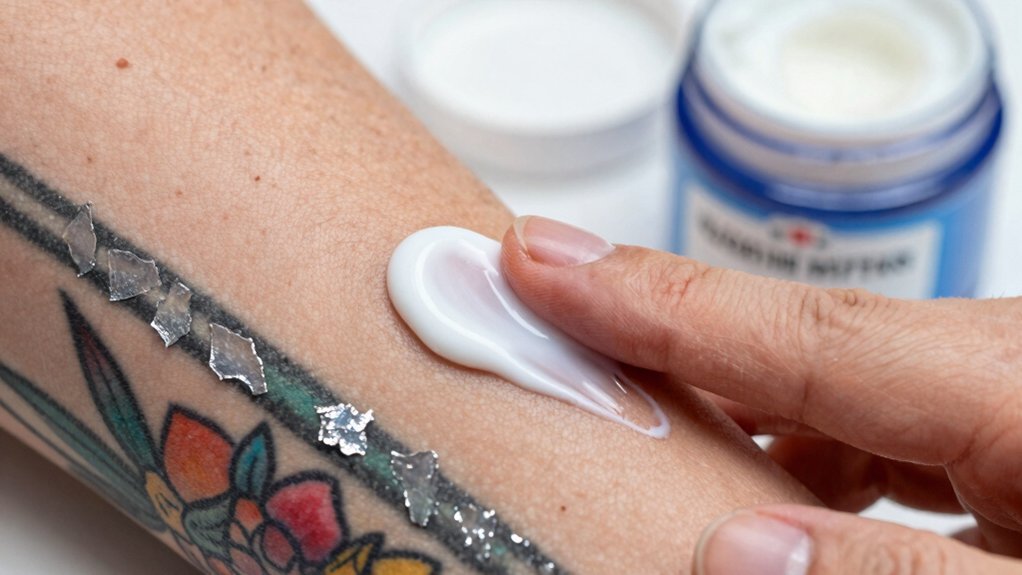
When exactly should you swap that ointment for lotion?
You make the switch when your tattoo stops oozing plasma and starts feeling tight and dry, typically around day three or four. You wait until the initial weeping phase ends completely. You don’t rush this transition, since switching too early traps bacteria and switches too late leaves your skin parched.
You wash your hands, gently clean the tattoo with fragrance-free soap, pat it dry, then apply a thin layer of unscented lotion. You stop using petroleum-based products that suffocate your healing skin. You choose a lightweight, dye-free moisturizer instead.
You apply lotion two to three times daily, keeping the area hydrated but not soaked. You monitor for any signs of irritation and adjust accordingly.
Recommended Products

COMPLETE AFTERCARE KIT FOR NEW & EXISTING TATTOOS: This Tattoo Aftercare Kit brings together 3 essentials, Antimicrobial Soap, Tattoo Balm, and Tattoo Lotion, to help cleanse, protect, and moisturize fresh ink. Useful after tattoo sessions and throughout healing, it supports vibrant color and skin comfort for dedicated ink enthusiasts and artists

STICK APPLICATION, ZERO MESS: Twist up the tattoo balm stick, swipe directly over the tattoo, and blend as needed. No jar to open, no fingers scooping product, and no need to carry a separate applicator. The solid stick format is easy to keep in a bag, bathroom cabinet or travel kit, making care simple at home or on the go. It gives you controlled application exactly where you want moisture, with less mess than traditional balm jars. Great for quick touch-ups whenever tattooed skin feels like it needs extra care, at home, after work or while traveling.

PROTECT & HEAL - H2Ocean Aquatat seals the skin in a moisturizing barrier to protect from irritants while still allowing the skin to breathe. Aquatat will also heal topical wounds on skin such as tattoos, rashes, cuts and scrapes while minimizing scabbing.
What to Apply When Your Tattoo Starts Peeling
Your tattoo will enter its peeling phase somewhere between days five and ten, marking a clear shift from the tight dryness you’ve been managing to something resembling sunburn after a beach day.
You’ll want to switch to a fragrance-free lotion now. Apply a thin layer two to three times daily—enough to ease the itch without saturating the skin. Let your body shed naturally; don’t pick or scrub. You’ve already moved past the ointment stage, so stick with lotion until the peeling stops.
Keep avoiding direct sun and soaking the area. If lotion stings, you’re using too much or applying too often. Your tattoo isn’t fully healed yet, but you’re through the most delicate phase. Stay consistent with light moisturizing, and you’ll protect the ink beneath as it settles.
Recommended Products

One 7.5-ounce jar of unscented petroleum jelly skin protectant

APPLY ON-THE-GO: Your favorite Vaseline Original Healing Jelly is now in convenient tube! Enjoy a mess-free moisturizing experience and keep skin hydrated even when you're on-the-go.

How to Tell If Your Aftercare Product Is Causing Problems
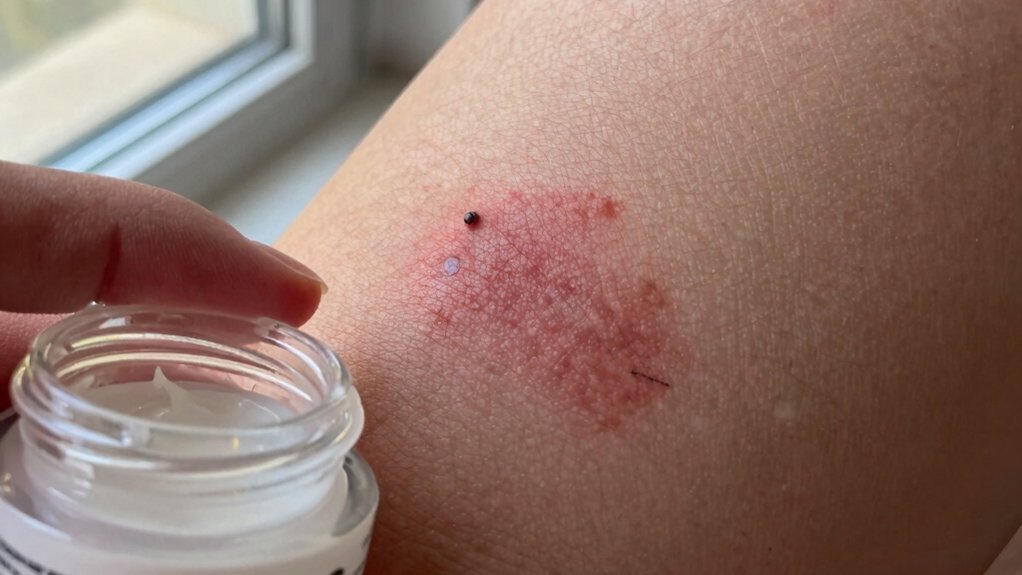
Why do some tattoos seem to stall in healing or worsen instead of improve? You’re likely using the wrong aftercare product. Watch for redness that spreads beyond the tattooed area, persistent burning, or itching that intensifies rather than subsides. These signal your skin rejects the formula.
You’ll notice delayed scabbing, excessive weeping, or skin that feels hot to the touch. Stop using the product immediately when these appear. Switch to a fragrance-free, dye-free alternative. Your tattoo should show steady improvement daily, not fluctuate between better and worse.
Don’t ignore small bumps or rash-like textures forming around the ink. You’re risking infection or allergic reaction by continuing. Trust your body’s response over product claims. Cleanse gently, let your tattoo breathe, and reintroduce new products one at a time to identify the culprit.
Recommended Products
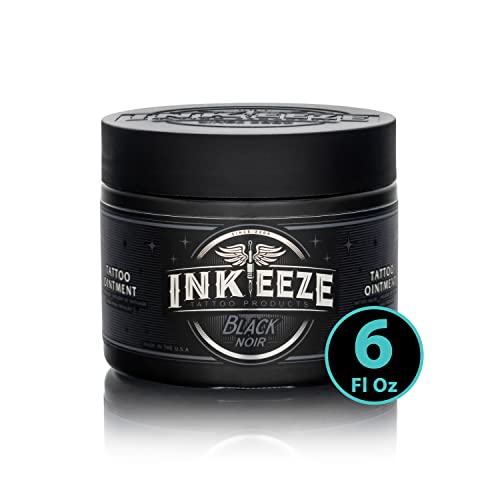
TATTOO OINTMENT- Inkeeze Black Tattoo Ointment is a Non-Petroleum based ointment infused with essential oils. The formula was specifically developed by tattooers and skin care specialists for use as a lubricant during the tattoo process and collectors to use as an aftercare. A little goes a long way
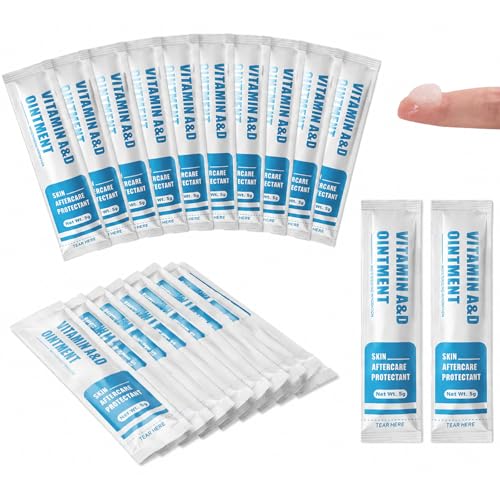
Honest, Accurate Care – This protective ointment comes in 50 hygienic single-serve packets for mess-free, on-the-go convenience. Easy to apply for tattoo protection anytime.

TATTOO OINTMENT- INK-EEZE Pink Tattoo Ointment is a NON-Petroleum based ointment infused with essential oils. The formula was specifically developed by tattooers and skin care specialists for use as a lubricant during the tattoo process and collectors to use as an aftercare. A little goes a long way
Maintaining Your Tattoo Long-Term: Sunscreen and Moisturizer
How quickly do you think your tattoo will fade in direct sunlight? Without protection, you’ll watch colors dull and lines blur within months. The sun’s UV rays break down ink pigments aggressively. You must apply broad-spectrum SPF 50 or higher whenever your tattoo sees daylight. Reapply every two hours during extended exposure. Don’t skip this step; sun damage causes irreversible fading.
Moisturizer plays an equally critical role in preserving your artwork. You’ll keep your skin hydrated and prevent the cracking that distorts tattoo lines. Apply fragrance-free lotion daily, especially after showering. Dry skin ages tattoos prematurely.
Choose lightweight, non-comedogenic products that won’t clog pores. You’re protecting an investment that lives on your body permanently. Neglect sunscreen and moisturizer, and you’ll pay for touch-ups. Treat your tattoo right, and it’ll stay vibrant for decades.
Recommended Products

Gentle Formula: Dial up your handwashing routine with this antibacterial hand soap that kills more than 99.99% of bacteria* and creates a luxurious lather. Dial foaming hand soap cleanses deep while being gentle on skin. *Encountered in household settings

GREAT FOR NEW TATTOOS - H2Ocean Blue Green Foam Soap cleanses skin on and around new tattoos and the addition of aloe vera aids the healing process.

Dial Antibacterial & Sensitive Liquid Hand Soap kills more than 99.9% of bacteria encountered in household settings
Conclusion
You’ve got everything you need to heal your tattoo right. Stick with a thin layer of petroleum-based ointment or dedicated aftercare product at first, then switch to fragrance-free lotion once the oozing stops. Keep it protected from the sun, skip harsh chemicals, and never pick at peeling skin. Follow these steps, and you’ll keep your ink looking bold and vibrant for years to come.
Recommended Products

Deep Hydrating Body Lotion: This 48 hour cocoa butter moisturizing body lotion is fragrance free and provides deep, soothing hydration for all skin types, from normal to dry to eczema prone skin

NATURAL AND UNSCENTED FORMULA – Saniderm’s Original Tattoo Aftercare Balm is made using natural ingredients like beeswax, shea nut butter, and sea buckthorn oil. Unlike other common ointments and tattoo balms, Saniderm’s fragrance-free Tattoo Aftercare Balm is also petroleum-free so it won’t suffocate the skin while your tattoo heals.

INFUSED WITH CLEAN, EFFECTIVE INGREDIENTS - The clean ingredients like Glycerin & Shea Butter provide lightweight nourishment and bounce to skin without ever feeling heavy or greasy on the surface. Anti-aging powerhouse vitamin A promotes visible firmness to skin, offsetting the appearance of fine lines and wrinkles.