
You’ve just left the chair with fresh ink, and your skin’s already starting its quiet work beneath the bandage. But what happens next isn’t as straightforward as you might hope. The coming weeks will test your patience—there’s plasma, peeling, and a maddening itch you absolutely cannot scratch. Miss one stage or handle it wrong, and your vibrant design could pay the price. The real question is whether you’ll recognize the warning signs before they become permanent problems.
Key Takeaways
- Initial aftercare requires keeping the bandage on for two to eight hours before washing gently.
- Plasma and ink may ooze during days two to three, requiring careful cleansing with fragrance-free soap.
- Peeling occurs between days four and seven as dead skin sheds without forcing flakes off.
- Itching and scabbing peak around day five, manageable through tapping and light moisturizing only.
- Full healing takes two to four weeks on the surface and three to six months for complete stabilization.
Recommended Products

GENTLY CLEANSES NEW TATTOOS - Use Repair Tattoo Wash during the healing process to keep your fresh tattoo ink clean or as a perfect prep wash before and after tattooing.

Gentle, Deep Cleansing: Tattoo Goo Foaming Cleansing Soap for tattoos and piercings helps remove impurities and clean the inked or pierced areas at a deep level by removing dirt, dead skin cells, and killing germs without damaging the skin

Foaming Tattoo Soap: Great for in-process and post-tattoo and piercing care. Keeps new tattoos & piercings clean during the healing process.
The First 24 Hours: What Your Tattoo Does-and What You Do First
Why do so many fresh tattoos heal poorly? You’ve already made your first mistake: touching, picking, or treating your fresh ink like a scab you can’t resist.
Your artist just bandaged your new tattoo. Keep that covering on for two to eight hours, whatever they specifically told you. You’ll remove it, wash gently with fragrance-free soap, and pat dry—don’t rub.
Your skin’s screaming right now. The needle trauma triggers your immune system immediately. Blood rushes to the area, plasma leaks, and inflammation begins. You’re not seeing much yet, but beneath that surface, your body’s already rebuilding collagen and pushing out damaged tissue.
You haven’t reached the oozy phase—that comes later. Tonight, you’re simply keeping it clean, avoiding sun, water submersion, and tight clothing. Sleep carefully; you don’t want to stick to your sheets.
Recommended Products

Self Adhesive Bandage: Package includes 16 rolls of black self adhesive bandage wrap. Each roll measures 2 inch wide and 5 yards long after stretching. It easily adheres to itself but will not stick to other surfaces such as skin or hair, making it easy to pull off and change bandages
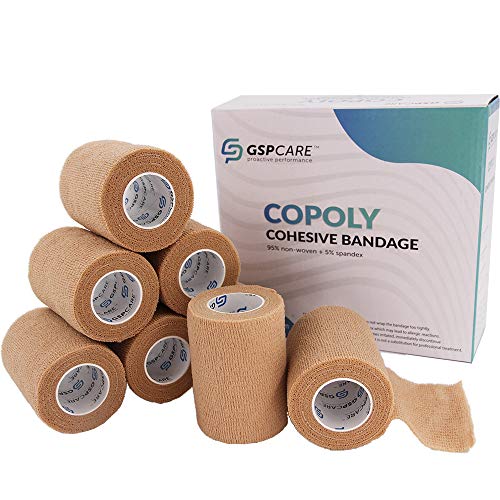
Medical Grade Self Adherent Adhesive - In the production stage, we aim to meet the high standards of hospitals and clinics. Non-sterile, latex, and made with hypoallergenic materials.
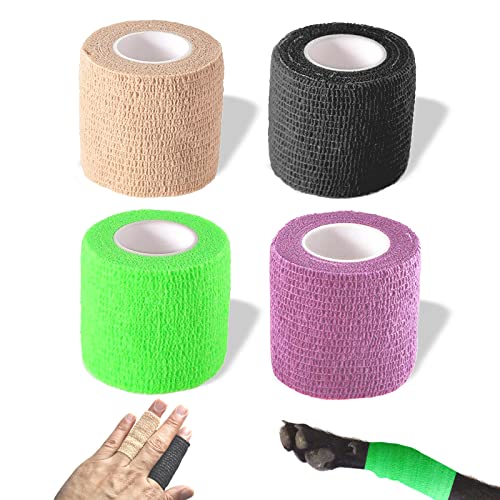
The bandage gives good adhesion, sticks to itself without sticking to skin. It almost feels like another layer of skin.
Days 2-3: Ooze, Plasma, and Your First Wash
Wake up and peel back the bandage—you’re about to meet your tattoo’s true colors. You’ll notice plasma, that clear or slightly tinted fluid, beading on the surface. It’s not pus; it’s your body’s healing response, carrying nutrients and antibodies to the wounded skin. You might also see some ink mixed in—totally normal.
Now you’ll wash your tattoo for the first time. Use fragrance-free soap and lukewarm water. Gently lather, don’t scrub. Rinse thoroughly, then pat dry with a clean paper towel. Never rub.
Let it breathe uncovered or apply a thin layer of recommended ointment. Your skin feels tight and looks shiny. You’re entering the most delicate phase, so keep your hands clean and your movements careful.
Recommended Products
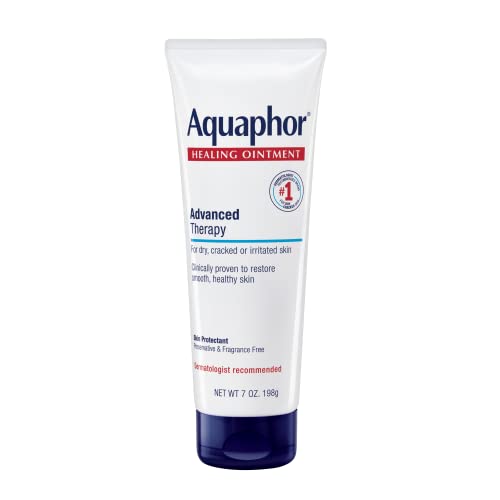
Net Weight and Dimensions: Each tube holds 7 oz. (198 g) of ointment, and measures approximately 19.9 x 5.7 x 5.2 cm; ideal for portability and easy storage

2 ounces of Aveeno Skin Relief Healing Ointment with a Triple Oat, shea butter, and glycerin formula helps repair and protect dry skin. Designed for use on the body, face, hands, and lips, it provides lasting moisture with a non-greasy feel

ONE ESSENTIAL SOLUTION: Aquaphor is one essential solution for many skin care needs; use on dry, cracked skin, as a lip moisturizer, facial moisturizer, body moisturizer, hydrating mask, minor wound care and much more
The Peeling Phase: Why Your Tattoo Flakes and How to Protect It
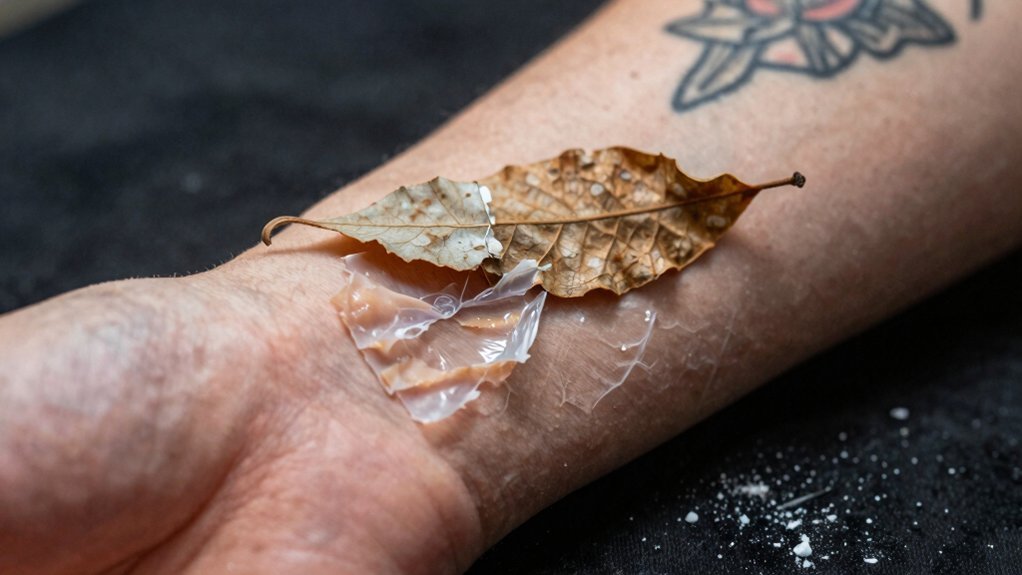
How exactly does healing accelerate? Your tattoo enters the peeling phase, typically days four through seven, as your skin rapidly regenerates. You’re witnessing your body’s remarkable repair system in action.
Dead skin cells shed. You’ll notice thin, translucent flakes drifting away—this signals healthy turnover. Don’t panic when vibrant colors dull beneath that dry membrane; your ink remains safely embedded in deeper layers.
You must resist peeling anything prematurely. Let nature detach what loosens naturally. You sabotage healing when you force skin off, exposing raw tissue and risking patchy results.
Moisturize twice daily with fragrance-free lotion. You keep the area supple without drowning it. Wash gently, pat dry, and protect from sun exposure. You handle this phase correctly, and your tattoo emerges crisp, fully settled, and brilliantly defined.
Recommended Products

Protect Your Body Art: Moisturizing with the bonus of itch relief! Tattoo Goo's Tattoo Care Lotion soothes healing skin & keeps healed ink looking sharp for life. With olive oil & glycerin, it delivers deep, breathable hydration that won’t clog pores

COMPLETE AFTERCARE KIT FOR NEW & EXISTING TATTOOS: This Tattoo Aftercare Kit brings together 3 essentials, Antimicrobial Soap, Tattoo Balm, and Tattoo Lotion, to help cleanse, protect, and moisturize fresh ink. Useful after tattoo sessions and throughout healing, it supports vibrant color and skin comfort for dedicated ink enthusiasts and artists

Upgraded Design, Easy to Use --- Tattoo aftercare balm comes in a tube,this container allows you to glide on the butter easily,Rolls on smoothly and evenly on your skin,No more mess or residue on your finger,convenient to use
Itching and Scabbing: How to Stop Scratching Without Ruining Your Ink
Around day five, you’ll meet the most maddening challenge yet: relentless itching beneath a crust of hardening scabs.
You’ll want to scratch. Don’t. You’ll lift ink and scar your skin.
Slap the area gently instead. Or pat it. Apply a thin layer of fragrance-free moisturizer to ease the tightness. Keep your nails short. Wear loose clothing that doesn’t rub against the scabs.
When showering, you’ll let lukewarm water run over the tattoo—no scrubbing, no direct spray. Pat dry with a clean paper towel.
Sleep with clean sheets and avoid positions that press the scabbed area against your mattress.
If itching wakes you at night, you’ll press a cold, damp cloth against your skin for temporary relief.
The scabs protect your healing ink. Let them fall off naturally.
Recommended Products
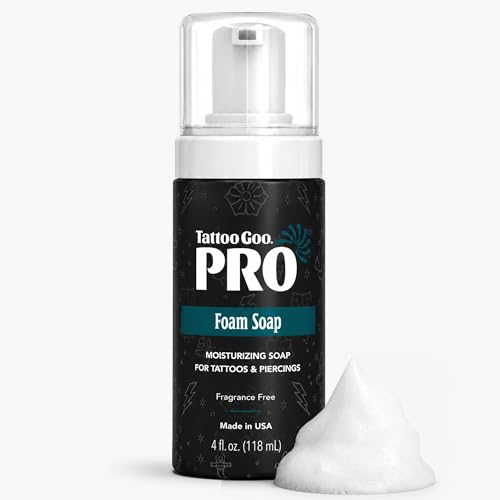
Professional-Grade Tattoo & Piercing Moisturizing Body Wash: Trusted by artists, the Tattoo Goo Foaming Soap is a cleanser designed for use while you are getting inked or at home, as part of your tattoo aftercare for gentle efficient cleansing

Simplify aftercare: this tattoo care kit includes tattoo aftercare soap to cleanse and tattoo brightening cream to lock in glow; it is plant-powered, free of dyes and fake scents, made for skin that lives in ink, not the beauty aisle

FAST HEALING & SOOTHING RELIEF Helps calm redness, irritation and dryness after new tattoos while supporting healthy skin recovery.
Why Your Tattoo Looks Dull After the Scabs Fall Off
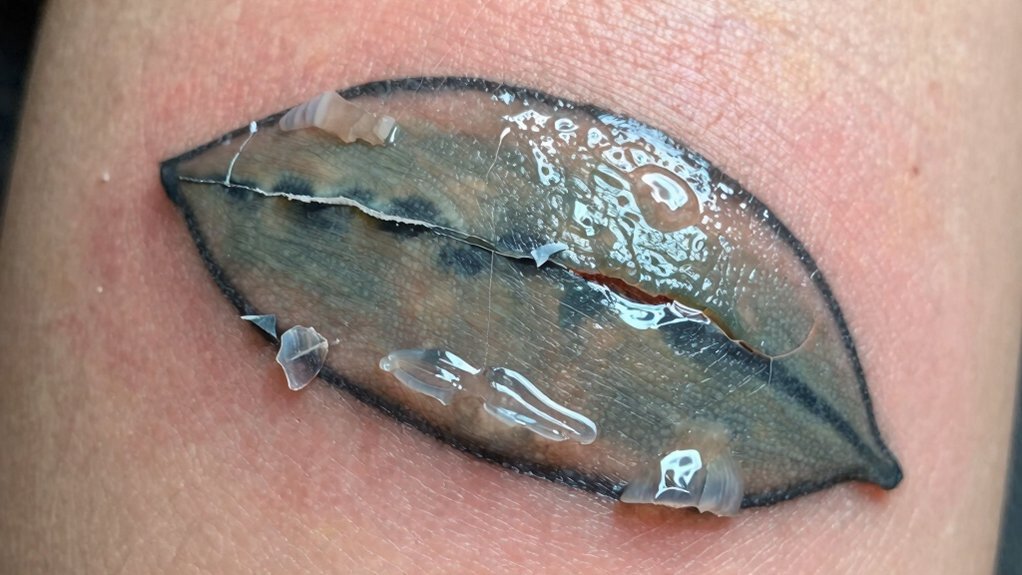
When the last scab finally drops away, you’ll stare at your new tattoo and wonder where the vibrancy went—because beneath that thin, flaky aftermath, your ink looks muted, almost dusty, like a photograph left too long in sun.
You’re witnessing a normal stage called the “onion skin” phase, and you’re not seeing damaged ink at all.
That dullness masks itself behind a translucent layer of dead skin still clinging to the surface.
You’re looking through a dusty window at a room with bright paint.
The tattoo hasn’t faded; you’re peering at fresh ink through cellular debris that hasn’t finished shedding.
Your body flung this extra layer up fast to protect the wound beneath it.
You’re simply waiting for that veil to lift.
Keep moisturizing lightly, let the flakes fall naturally, and trust that your true colors wait underneath.
Recommended Products

GREAT FOR NEW TATTOOS - H2Ocean Blue Green Foam Soap cleanses skin on and around new tattoos and the addition of aloe vera aids the healing process.

16-fluid ounce bottle of Lubriderm Fragrance Free Daily Moisture Lotion + Pro-Ceramide, Shea Butter and Glycerin to help restore skin's moisture barrier for healthier-looking skin

ESSENTIAL AFTERCARE FOR TATTOOS & PIERCINGS: After Inked Aftercare Foam Cleanser is designed to gently cleanse and remove dirt from tattoos, piercings, and body modifications. It provides an effective yet soothing clean without causing skin irritation or dryness.
Aftercare Mistakes That Fade Ink and Slow Healing
Why would you baby your fresh ink for weeks, then sabotage it with a few careless moves?
You pick at the scabs. You scratch the itch. Each tug pulls pigment from the dermis, leaving patchy, faded spots you’ll regret for years.
You slather petroleum jelly too thick, smothering the wound and trapping bacteria. You skip washing it, letting plasma crust into a thick scab that takes ink with it when it finally falls.
You soak it in hot baths, swim in pools, let sweat pool under bandages during workouts. Chlorine, bacteria, and friction attack vulnerable skin.
You skip sunscreen, letting UV rays blast healing tissue into blotchy scars.
You over-moisturize. You under-moisturize. You switch products mid-heal, confusing the process.
These choices cost you clarity, color, and time. You’ve been warned.
Recommended Products

Widely Used: Our tattoo film has grid lines on the backing paper, which can be cut into different sizes according to requirements. The size of the film is 6 inches x 8 yards, including 3 layers, namely PET backing, PU film and release paper. Soft and stretchable, which makes it fit perfectly anywhere in the body

Self Adhesive Bandage: Package includes 20 rolls of black color self adhesive bandage wrap. Each roll measures 2 inch wide and 5 yards long after stretching. It easily adheres to itself but will not stick to other surfaces such as skin or hair, making it easy to pull off and change bandages

THE ORIGINAL TATTOO AFTERCARE BANDAGE – Saniderm’s Original Gloss Bandage is the tried-and-true, industry-defining tattoo aftercare bandage. Dermatologist-recommended and trusted by expert tattoo artists worldwide, this medical-grade bandage ensures your tattoo heals quickly, safely, and more vibrantly. With over a decade of experience and millions of tattoos healed, it’s the perfect way to heal your ink.
Infection Warning Signs: When to See a Doctor
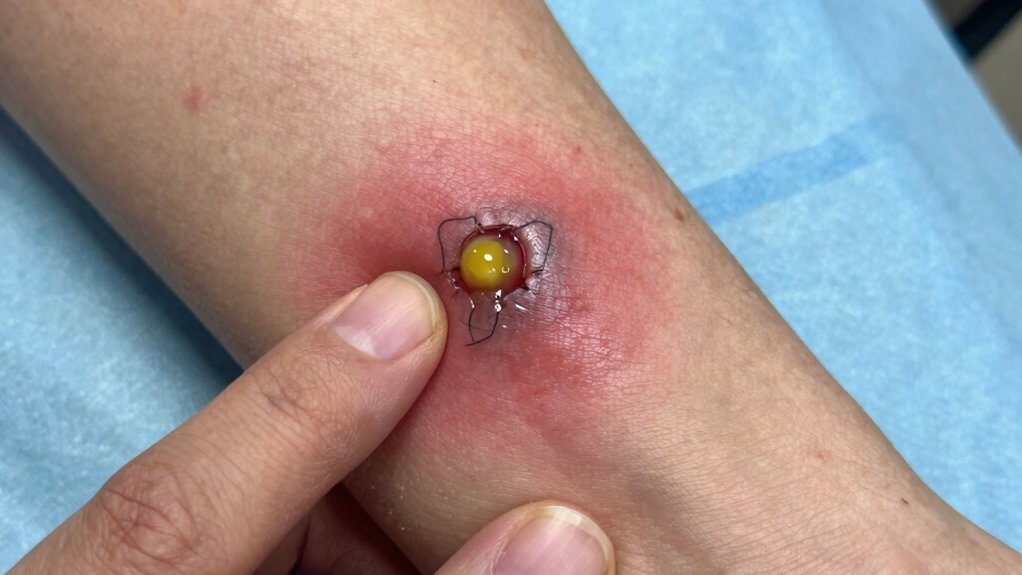
Mistakes during healing don’t just threaten your tattoo’s appearance—they open the door to something worse. Infections can develop quickly, and you’ve got to recognize the warning signs before they escalate.
You’ll notice infection through several clear signals. Your skin feels hot to the touch, well beyond normal warmth. Redness spreads outward instead of fading. You develop thick yellow or green discharge that smells foul. Fever, chills, or red streaks radiating from the tattoo demand immediate attention—your body fights a battle you can’t win alone.
Don’t wait. Contact your artist, then see a doctor promptly. Early antibiotic treatment prevents permanent damage to your ink and surrounding tissue. You’ve invested money and endured pain for this art; protecting your health preserves that investment.
Recommended Products

PROTECT & HEAL - H2Ocean Aquatat seals the skin in a moisturizing barrier to protect from irritants while still allowing the skin to breathe. Aquatat will also heal topical wounds on skin such as tattoos, rashes, cuts and scrapes while minimizing scabbing.

FRAGRANCE FREE TATTOO AFTERCARE FOR SENSITIVE SKIN - The same #1 artist recommended Hustle Butter formula, now with no added fragrance, dyes, or parabens. The unscented tattoo lotion of choice for sensitive or easily irritated skin.

Multi-Purpose Use: Effective for dry, cracked skin, minor cuts, burns, chapped lips, and more.
The Real Tattoo Healing Timeline (And What “Healed” Actually Means)
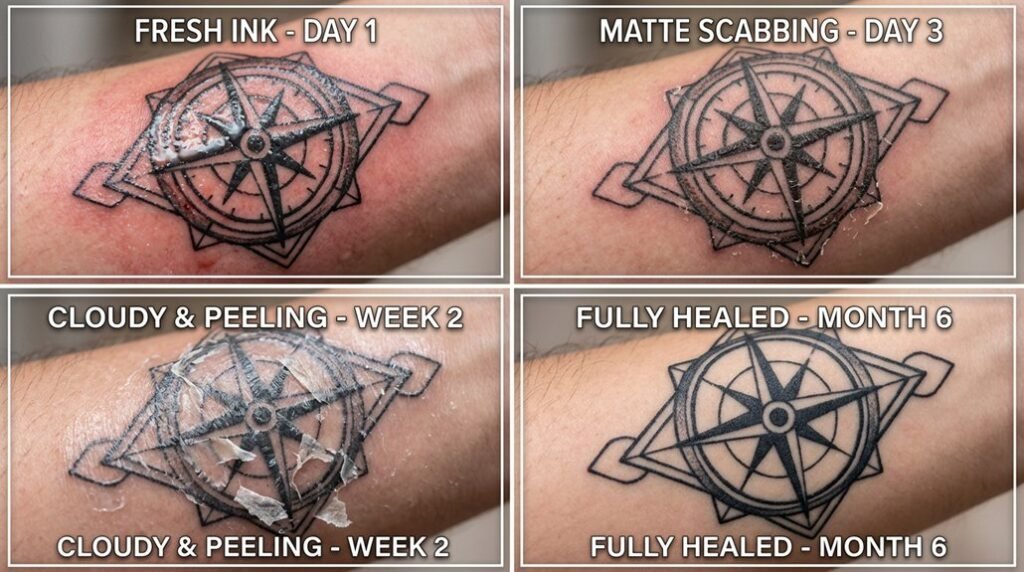
How long until you’re fully healed? You’ll navigate distinct phases. Days 1-6 bring redness, oozing, and that tight, burning sensation as your immune system kicks into gear.
Days 7-14 show peeling and itching—don’t scratch.
By week three, surface skin looks normal, but you’re not done.
Here’s what “healed” actually means: the surface closes in 2-4 weeks, but complete healing takes 3-4 months. Beneath, collagen’s rebuilding and ink’s settling permanently. Your artist sees finished work; you see healed skin. Truthfully, the tattoo continues settling for up to six months.
You’ll know you’re truly healed when there’s no more tenderness, raised areas flatten completely, and colors stabilize to their permanent tone. Rush this timeline, and you’ll damage the art you’ve invested in. Patience preserves your piece.
Recommended Products

TATTOO AFTERCARE LOTION: After Inked Tattoo Lotion brings hydration and nourishment to your tattooed skin. Formulated with grape seed oil, which helps maintain vibrant ink colors while pacifying the skin and promoting moisture retention.

Tattoo Aftercare Lotion with Rapid Absorption: Our tattoo lotion aftercare is specifically formulated for quick absorption, promoting non-greasy application while aiding swift tattoo healing. This advanced formula ensures your skin receives optimal care during the critical post-tattoo period.

☑Natural Safe Organic Ingredients: Tattoo Aftercare Butter is composed of Shea Butter, Jojoba, Macadamia Ternifolia Seed Oil and Vitamin E Complex. Our all-natural butter is also petroleum-free and paraben-free. After use, it can make the tattooed skin heal faster and moisturize the skin. Makes your skin smooth and the tattoo color bright.
Conclusion
You’ve navigated every stage—from that first plasma-and-ink wash through peeling, itching, and the dull phase when scabs finally shed. You’ve learned what heals your tattoo and what harms it. Now you understand that “healed” is a months-long process, not days. Keep moisturizing, stay patient, and protect your investment. Your tattoo’s final vibrancy depends on the care you give it now. Trust the timeline—you’ll see the results.
Recommended Products
FAST HEALING & SOOTHING RELIEF Helps calm redness, irritation and dryness after new tattoos while supporting healthy skin recovery. INTENSE DAILY HYDRATION Deeply moisturizes...