
Winter healing isn’t faster, but dry air and heavy clothing create unique risks you need to address.
You will face cracked scabs, irritated skin, and slower recovery without the right adjustments.
These ten tips give you a clear path forward.
Why Winter Speeds Up Tattoo Healing
When you’re planning a winter tattoo, the season quietly works in your favor. Cold weather reduces sweat production, which lowers bacterial risk during those critical early healing days. You’ll notice less irritation, fewer clogged pores, and cleaner scab formation overall.
Dry air and winter conditions do create challenges, though. Heating systems strip indoor moisture, and outdoor cold accelerates water loss from your skin. This combination can trigger flaking and tightness faster than you’d expect. Higher altitude locations compound this effect, extending your healing window through persistent irritation.
However, limited sun exposure becomes your ally. You’ll spend more time indoors with skin covered, reducing UV damage that fades fresh ink. Snow reflects some radiation, so you still need awareness, but your overall exposure drops much more. Winter creates a controlled environment where cleaner, calmer healing dominates.
Recommended Products

16-fluid ounce bottle of Lubriderm Fragrance Free Daily Moisture Lotion + Pro-Ceramide, Shea Butter and Glycerin to help restore skin's moisture barrier for healthier-looking skin

Protect Your Body Art: Moisturizing with the bonus of itch relief! Tattoo Goo's Tattoo Care Lotion soothes healing skin & keeps healed ink looking sharp for life. With olive oil & glycerin, it delivers deep, breathable hydration that won’t clog pores

TATTOO AFTERCARE LOTION: After Inked Tattoo Lotion brings hydration and nourishment to your tattooed skin. Formulated with grape seed oil, which helps maintain vibrant ink colors while pacifying the skin and promoting moisture retention.
Winter Tattoo Care: Moisturize More, Not Heavier
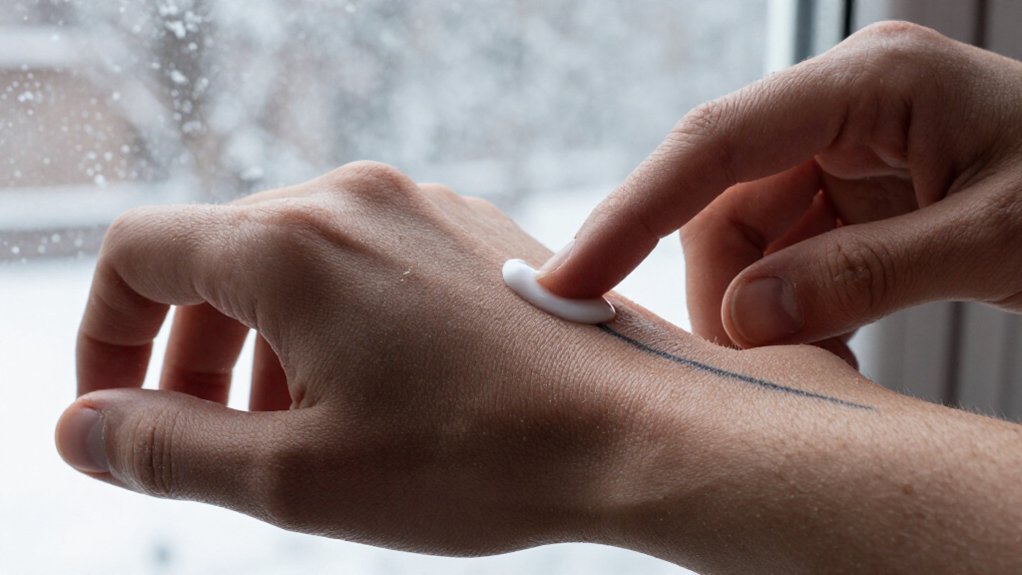
Cold air pulls moisture from your skin faster than you’d expect, especially once indoor heating kicks in. Dry indoor conditions demand a shift in your routine: smart winter tattoo aftercare means you moisturize more, not heavier.
Apply the Right Way
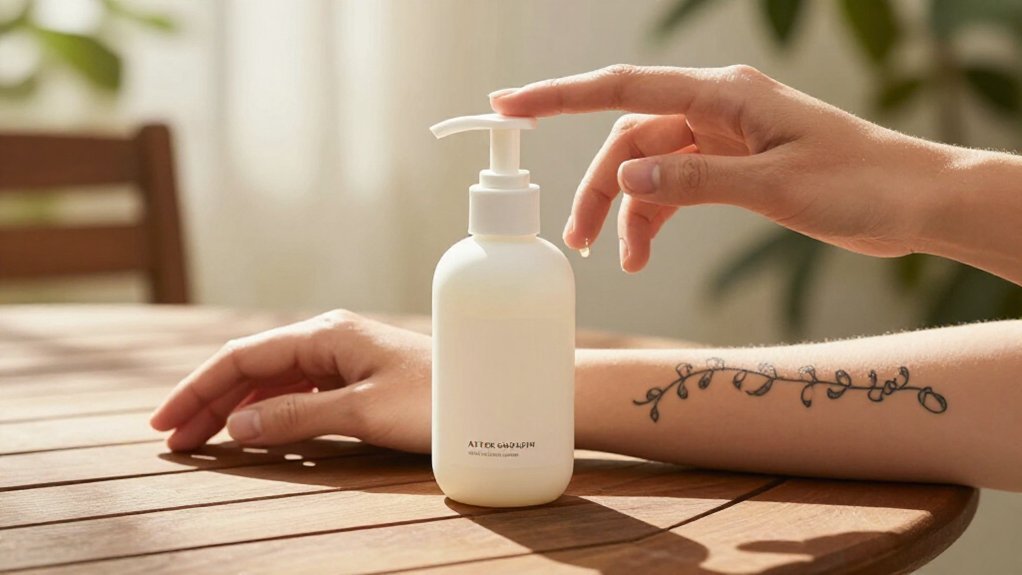
Pat your tattoo dry after showering, then work fast. Smooth on a fragrance-free, lightweight lotion 2–3 times daily in thin, even layers. You want enough to stop tightness and flaking, not so much that skin feels greasy.
Read Your Skin
Feeling tight or seeing flakes? Add another light application instead of piling it on. Thick coats clog pores and slow healing. Heavy layers also trap irritation under winter clothes, so stick with breathable fabrics and frequent, modest moisturizing.
Recommended Products

TATTOO AFTERCARE ESSENTIAL: Hustle Butter is the original tattoo aftercare balm for new and older tattoos. With over 10 years in the market, we are a pioneer of the tattoo aftercare category.

Tattoo Aftercare Essential: This tattoo aftercare balm is suitable for both new and healed tattoos. It is designed to aid in the healing process and reduce irritation for new tattoos, while also rejuvenating older tattoos, and ensures they receive optimal care.

Nourishes Healing Ink for Vibrant Color: Tattoo Goo supports healing tattoos & maintains vibrancy on healed ink with a lightweight formula rich in olive oil, lavender oil, cocoa butter, and beeswax. It absorbs quickly, moisturizes deeply, and helps reduce dryness, itch and tightness so your tattoo looks and feels comfortable through everyday routines
Clean Your Healing Tattoo: Lukewarm Showers, No Soaking
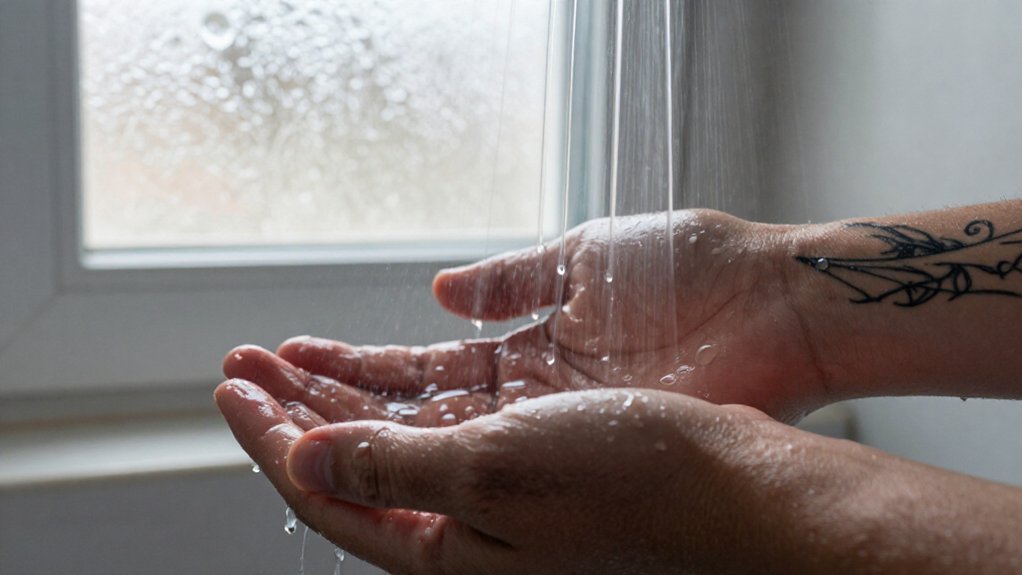
Although hot showers feel great on freezing mornings, they’ll sabotage your healing tattoo. Hot showers open your pores and dry out healing skin, slowing your aftercare progress. You need lukewarm water instead.
Hot showers sabotage healing tattoos by opening pores and drying skin—stick to lukewarm water instead.
Keep the Flow Indirect
Point the shower stream away from your tattoo. Use clean hands to gently wash the area. Skip loofahs, washcloths, or anything abrasive. These tools tear scabs and damage healing tissue.
Choose the Right Cleanser
Pick a mild, fragrance-free soap. Fragrances irritate fresh ink and delay recovery.
Dry With Care
Pat your tattoo gently with a clean towel. Never rub the surface.
Avoid Soaking Entirely
Skip baths, pools, hot tubs, and open water. Submersion softens scabs and invites bacteria. Stick to quick, lukewarm showers until your tattoo fully heals.
Recommended Products

Gentle, Deep Cleansing: Tattoo Goo Foaming Cleansing Soap for tattoos and piercings helps remove impurities and clean the inked or pierced areas at a deep level by removing dirt, dead skin cells, and killing germs without damaging the skin

GENTLY CLEANSES NEW TATTOOS - Use Repair Tattoo Wash during the healing process to keep your fresh tattoo ink clean or as a perfect prep wash before and after tattooing.

FRAGRANCE FREE TATTOO AFTERCARE FOR SENSITIVE SKIN - The same #1 artist recommended Hustle Butter formula, now with no added fragrance, dyes, or parabens. The unscented tattoo lotion of choice for sensitive or easily irritated skin.
Cover Up Right: Loose Layers That Breathe
Since your fresh ink needs protection from harsh winter air, you’ll want to cover it, but the wrong fabric choice can do more harm than good.
1. Pick the Right Fabric
You’ll choose loose, breathable cotton over your tattoo. Tight sleeves and rough wool rub your healing skin, pull at peeling areas, and cause patchiness. Smooth, low-friction garments reduce irritation.
2. Layer Smartly
You’ll keep your skin covered outdoors to block cold air and debris. Indoors, you’ll let the tattoo breathe to avoid trapped heat and moisture.
Aim for comfortable layers that don’t press directly on the area, especially during the first two weeks.
3. Stay Dry
You’ll change damp clothing promptly. Wet fabric breeds bacteria and irritates vulnerable skin.
This Tattoo Care step protects your investment without suffocating the healing process.
Recommended Products

COMPLETE AFTERCARE KIT FOR NEW & EXISTING TATTOOS: This Tattoo Aftercare Kit brings together 3 essentials, Antimicrobial Soap, Tattoo Balm, and Tattoo Lotion, to help cleanse, protect, and moisturize fresh ink. Useful after tattoo sessions and throughout healing, it supports vibrant color and skin comfort for dedicated ink enthusiasts and artists

Glycerin liquid hand soap made from quality ingredients

PERFECT FOR THE TATTOO ARTIST AND COLLECTOR – Whoever you are, you want to make your tattoo aftercare experience convenient and effortless. This soap ensures the tattoo always leaves the shop or house sanitized and moisturized.
Run a Humidifier to Stop Indoor Dryness
Winter heaters pull moisture from the air, and your healing tattoo pays the price. Dry indoor conditions strip hydration from your skin, so you need to add humidity back.
1. Run a humidifier in your bedroom
Aim for consistent moisture levels where you sleep. This prevents the tight, itchy feeling that strikes even when you lotion up.
2. Choose your mist
Cool- or warm-mist both work. Either type counters the dry air that accelerates flaking and cracking on healing tattoo skin.
3. Pair with proper moisturizing
Apply fragrance-free tattoo lotion frequently. The humidifier gives that moisturizer water to hold onto, so it won’t evaporate instantly.
4. Clean it regularly
Prevent mineral dust and microbial buildup. Your open skin needs clean air during these critical healing weeks.
Recommended Products

Deep Hydrating Body Lotion: This 48 hour cocoa butter moisturizing body lotion is fragrance free and provides deep, soothing hydration for all skin types, from normal to dry to eczema prone skin

NATURAL AND UNSCENTED FORMULA – Saniderm’s Original Tattoo Aftercare Balm is made using natural ingredients like beeswax, shea nut butter, and sea buckthorn oil. Unlike other common ointments and tattoo balms, Saniderm’s fragrance-free Tattoo Aftercare Balm is also petroleum-free so it won’t suffocate the skin while your tattoo heals.

POWERFUL NATURAL INGREDIENTS – Enriched with 82 trace Red Sea salt minerals and vitamins, this nourishing tattoo lotion moisturizes tattooed skin with hydration and vibrant-looking color in a gentle, water-based, fragrance-free formula. Perfect as an after inked tattoo lotion for both new and older tattoos.
Shield Healing Tattoos From Sneaky Winter UV
You might think winter clouds and cold temperatures keep your tattoo safe from sun damage, but UVA and UVB rays still reach your skin year-round. Snow and ice reflect sunlight upward, which means even areas you assume are shaded can get hit with intensified UV exposure that fades pigment faster.
Once your tattoo is fully healed, you will need broad-spectrum SPF on any exposed ink. You should also keep fresh work covered with clothing or a barrier when you head outside.
Recommended Products

CLEAN INGREDIENTS FOR NEW TATTOOS - Our Soothing Gel skips the skin-suffocators and instead focuses on lightweight botanical oils like Sweet Almond and Argan which are naturally rich in fatty acids antioxidants to help nourish and offset environmental stressors that can further aggravate your ink.

☑Natural Safe Organic Ingredients: Tattoo Aftercare Butter is composed of Shea Butter, Jojoba, Macadamia Ternifolia Seed Oil and Vitamin E Complex. Our all-natural butter is also petroleum-free and paraben-free. After use, it can make the tattooed skin heal faster and moisturize the skin. Makes your skin smooth and the tattoo color bright.
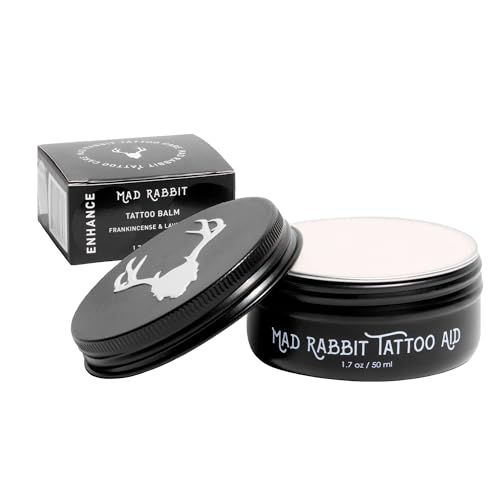
ENHANCE & MAINTAIN YOUR INK - This ultra-nourishing balm instantly enhances ink vibrancy as it forms a protective barrier on skin to help moisturize and soothe skin.
Snow Reflects Sunlight
Against a gray winter sky, you’ll want to watch your step, because snow and ice act like mirrors for ultraviolet rays. UV rays don’t stop when temperatures drop, so you’ll need coverage strategies that work.
Cover fresh ink completely
Keep your tattoo shielded with loose, breathable fabrics that block direct and reflected sunlight. Snow intensifies exposure from below, so don’t leave healing skin uncovered.
Use sun protection every day
Once healed, apply SPF 30 or higher to all exposed tattoos. Choose broad-spectrum formulas that block both UVA and UVB rays, even on cloudy afternoons.
Double up on protection by combining clothing barriers with sunscreen for areas you can’t fully cover. You’ll prevent fading, promote even healing, and maintain your ink’s color through every winter outing.
Year-Round UV Risk
Once healed, you’ll apply broad-spectrum SPF consistently. UV damage accumulates, dulling pigment and softening contrast long after your tattoo looks settled. You’re preventing fade that shows up years later, not just next week.
Treat sun protection as non-negotiable, every season. Your healed art stays vivid when you respect the risk hiding in cold, clear light.
Hydrate Your Skin From the Inside Out
You need to drink at least 8 glasses of water daily in winter, because cold air and indoor heating pull moisture from your skin faster than you realize. Pair that water intake with moisturizing food choices, like fruits and vegetables with high water content, to keep your tattooed skin flexible and your colors vibrant.
Skip the soda and sugary juices, since they won’t hydrate you effectively, and balance your coffee or tea with plain water or herbal infusions.
Recommended Products

GENTLE & SOOTHING FOAM CLEANSER FOR FRESH TATTOOS - Our tattoo aftercare soap is specially formulated to cleanse and soothe skin during the tattoo process. Enriched with Witch Hazel and Aloe Vera, it helps calm skin, reduce redness, and provide comfort without dryness or tightness.

Gentle Yet Effective Cleansing : Fragrance Free, Vegan & Cruelty-Free - Ultra Gentle, Sulfate Free Formula. Tattoo foam soap effectively removes impurities while helping to preserve the skin’s natural moisture balance.

All in One - We have created a new formula for tattoo and PMU Artists! Now you don't need to mix liquids to get a tattoo cleaning soap to work during the procedure!
Water Intake Importance
Often, the most overlooked step in winter tattoo aftercare starts with what’s in your glass, not what’s on your shelf. You need to boost your water intake because cold winter air and indoor heating strip moisture from your skin, and a healing tattoo needs flexibility to recover properly.
Your Daily Hydration Target
Aim for at least 8 glasses of water daily. This reduces tightness and flaking that can dull or unevenly affect your tattoo’s appearance.
What Counts, and What Doesn’t
Hot beverages don’t fully replace water intake. Watch your caffeinated drinks, since caffeine acts as a mild diuretic and contributes to dehydration. Choose herbal teas or fruit-infused water instead. These options support your fluid goals without relying on sugary drinks.
Staying well-hydrated lowers your risk of cracked, peeling skin during winter healing, which protects your ink as the outer layers recover.
Moisturizing Food Choices
Drinking water lays the groundwork, but your plate matters just as much for skin that heals smoothly. Cold, dry winter air and indoor heating pull moisture from your tattooed skin rapidly, so you need to hydrate from the inside out with strategic food choices.
Aim for at least eight glasses of water daily to combat dehydration from dry winter conditions. Limit caffeinated drinks, which act as mild diuretics and worsen dryness during healing. Load up on Vitamin C, found in citrus fruits, to support healthier skin function and smoother healing. Eat Omega-3 fatty acids from salmon, sardines, and nuts to maintain skin flexibility and reduce flaking.
Consider herbal teas and fruit infusions for extra hydration without sugary soda. Your tattoo heals better when you feed your skin properly.
Skip Wool and Rough Fabrics Near New Ink
Choose Softer Barriers Instead
- Pick cotton or smooth, breathable materials for the layer directly covering your tattoo.
- Avoid tight sleeves and cuffs that increase constant rubbing during early healing weeks.
Rough fabrics also trap heat and moisture against the skin, worsening irritation when sensitivity peaks.
When Cover-Up Is Required
If fabric contact proves unavoidable,
Recommended Products

GREAT FOR NEW TATTOOS - H2Ocean Blue Green Foam Soap cleanses skin on and around new tattoos and the addition of aloe vera aids the healing process.

GREAT FOR NEW TATTOOS - H2Ocean Blue Green Foam Soap cleanses skin on and around new tattoos and the addition of aloe vera aids the healing process.

Foaming Tattoo Soap: Great for in-process and post-tattoo and piercing care. Keeps new tattoos & piercings clean during the healing process.
Build a Simple Daily Aftercare Schedule
Once you’ve got your fabric choices sorted, you’ll need a clear routine to keep your new tattoo clean and hydrated through winter’s drying conditions. Proper aftercare means consistency, not complexity. Here’s your daily structure:
- Morning: Rinse with lukewarm water and fragrance-free mild cleanser, pat your tattoo dry with clean hands, then apply a thin layer of aftercare balm.
- Midday: Re-check for tightness or flaking. If needed, reapply light moisturizer 2–3 times daily; too much product clogs pores.
- After showers: Moisturize immediately, then cover with a breathable barrier to block winter debris.
- Night: Apply dye-free, fragrance-free balm before bed, using just enough to prevent dryness without greasy buildup.
Watch how your tattoo will look. If it feels tight, add moisture slightly. If it looks slick or heavily coated, reduce the amount.
Recommended Products

Tattoo Aftercare Daily Lotion: gives your tattoos the everyday care they deserve to keep your artwork looking fresh. Formulated to provide deep hydration and leave skin feeling soft and smooth. Rejuvenates your artwork and moisturizes skin.

PROTECT & HEAL - H2Ocean Aquatat seals the skin in a moisturizing barrier to protect from irritants while still allowing the skin to breathe. Aquatat will also heal topical wounds on skin such as tattoos, rashes, cuts and scrapes while minimizing scabbing.

INFUSED WITH CLEAN, EFFECTIVE INGREDIENTS - The clean ingredients like Glycerin & Shea Butter provide lightweight nourishment and bounce to skin without ever feeling heavy or greasy on the surface. Anti-aging powerhouse vitamin A promotes visible firmness to skin, offsetting the appearance of fine lines and wrinkles.
Read Your Skin: When to Change Your Routine
You need to watch your tattoo closely, since winter conditions force faster changes than summer routines do. If your skin feels tight, itchy, or starts flaking, you’re seeing signs of over-dryness and should increase lotion to 2–3 times daily with a thin, even layer.
When the surface looks shiny or greasy instead, scale back to lighter applications so you don’t clog pores and slow healing. Pay attention to healing stage indicators too: warm, irritated redness means pausing heavy moisturising for gentle lukewarm rinses, while a fully closed surface lets you shift toward daily moisturising plus winter protection habits.
Recommended Products

Tattoo Aftercare Balm Stick: our tattoo balm is now available in a balm stick. This tattoo balm stick delivers targeted care to keep your artwork looking and feeling fresh whenever you need it most. For use on all tattoos, just not fresh ones.

PROTECT & HEAL - H2Ocean Aquatat seals the skin in a moisturizing barrier to protect from irritants while still allowing the skin to breathe. Aquatat will also heal topical wounds on skin such as tattoos, rashes, cuts and scrapes while minimizing scabbing.

Nourishes Healing Ink for Vibrant Color: Tattoo Goo supports healing tattoos & maintains vibrancy on healed ink with a lightweight formula rich in olive oil, lavender oil, cocoa butter, and beeswax. It absorbs quickly, moisturizes deeply, and helps reduce dryness, itch and tightness so your tattoo looks and feels comfortable through everyday routines
Signs of Over-Dryness
Sometimes your skin tells you exactly what it needs, if you’re paying attention. Winter’s lower humidity pulls moisture from healing ink fast, so you’ll want to catch dryness early.
Watch for these warning signs your routine needs adjustment:
- Skin feels tight, paper-dry, or itchy, especially after indoor heating exposure
- Fine cracking, thick flakes, or scabs that look dry and under-moisturized
- Peeling reveals dull, rough, or unevenly flaky skin beneath
- Tattoos stay dry hours after lotion, not becoming supple
When you spot these signals, increase moisturizing to three times daily with thin, fragrance-free layers. Apply sooner after showering, and switch to purpose-made tattoo balms if needed. Reduce hot water exposure and friction, keeping applications small and evenly spread.
Never use a gentle exfoliator on healing skin; wait until fully recovered.
Adjusting Moisture Levels
Noticing dryness signals means it’s time to recalibrate how often you’re moisturizing, not just what you’re using.
1. Increase Frequency When Dry
When healing a tattoo in winter, low humidity and heated indoor air evaporate moisture faster. Feel tightness or see early flaking? Bump your fragrance-free lotion from 2×/day to 3×/day. Apply a thin, even layer.
2. Scale Back if Overdone
More isn’t better. If the tattoo looks shiny, overly soft, or leaves gummy residue, reduce to lighter applications. Too much product clogs pores and slows healing.
3. Time It Right
After lukewarm showers, avoid hot water. Pat the skin around your tattoo dry, then moisturize immediately. This replaces lost moisture and prevents cracking.
4. Adjust as You Heal
When scabs settle and peeling fades, return toward 2×/day. If dryness persists, add a humidifier indoors rather than heavier products.
Healing Stage Indicators
Because winter conditions accelerate moisture loss, your tattoo’s healing timeline won’t follow a rigid calendar. You’ll need to read your skin, not the clock, when adjusting your routine.
Watch for these stage-specific signals:
Days 1–3: Tight, shiny skin means you’re on track. Spot heavy scabbing or cracking? Bump moisturizing to 2–3 times daily with a thin, even layer of fragrance-free tattoo aftercare.
Days 3–7: Flaking and dullness are normal. Keep lotion light, consistent, and don’t scrub or exfoliate; rubbing worsens patchiness in healing tattoos.
Week 2: Tightness should fade. If redness spreads, heat rises, or swelling worsens, pause moisturizing and contact your artist.
Anytime: Winter months demand faster response. Feel dryness or fine cracks? Moisturize immediately after lukewarm showers, not on schedule.
Once peeling stops and skin feels smooth, typically late week 2, taper applications while maintaining protection. Your tattoo, your timeline.