
You’ve likely wondered if you can hide that old scar beneath fresh ink. The answer isn’t straightforward, and rushing into the chair could leave you with disappointing results. Scar tissue behaves differently than healthy skin, and your artist needs specific expertise to navigate the challenges ahead. Before you book that consultation, there’s critical information about timing, technique, and realistic outcomes that could make or break your cover-up.
Key Takeaways
- Wait until scar fully heals, typically 12–18 months, before tattooing over it.
- Flat, mature scars and stretch marks work best for cover-ups.
- Keloids, hypertrophic scars, and fresh scars are generally unsuitable for tattooing.
- Scar tissue often hurts more than normal skin due to damaged nerve endings.
- Choose an experienced artist with a portfolio of healed scar cover-up work.
Recommended Products

Widely Used: Our tattoo film has grid lines on the backing paper, which can be cut into different sizes according to requirements. The size of the film is 6 inches x 8 yards, including 3 layers, namely PET backing, PU film and release paper. Soft and stretchable, which makes it fit perfectly anywhere in the body

TATTOO COVER UP: Specially designed patch to conceal tattoos discreetly, ideal for tattoo enthusiasts seeking temporary coverage.

🎁WHAT’S INCLUDED - 3 Rolls, 3 Sizes – (2"x2yd, 4"x2yd, 6"x2yd) for any tattoo size, from delicate linework to full sleeves. Cut freely for custom shapes! Total 19.6ft – Ample length to cover multiple sessions or large pieces. Ideal for artists stocking aftercare kits.
When to Tattoo Over a Scar
How long should you wait before getting ink over scar tissue? Patience matters here. You’ll need to let that scar heal completely—typically twelve to eighteen months, sometimes longer for severe injuries. Jump in too early, and you’re risking poor ink retention, distorted lines, and prolonged healing complications.
While you wait, monitor your scar’s progress. It should flatten, fade from red to pale, and stop feeling tender or itchy. You’ll know it’s ready when the texture matches surrounding skin and movement doesn’t cause discomfort.
Your scar’s age isn’t the only factor, though. Consider your overall health, skin condition, and any medications you’re taking. Consult a dermatologist if you’re uncertain. They’ll assess whether your scar has matured enough for tattooing. Once you get approval, research artists experienced with scar cover-ups specifically.
Recommended Products

Provides Extreme Coverage - Achieve the flawless skin you’ve always dreamed of with this full-coverage liquid foundation. Our foundation makeup conceals dark under-eyes, skin discolorations, pimples, acne scars, surgical bruising, and even tattoos!

TATTOO COVER UP MAKEUP: Specially formulated to provide full coverage for tattoos dark spots vitiligo scars and uneven skin tones with a natural matte finish that blends seamlessly into your skin
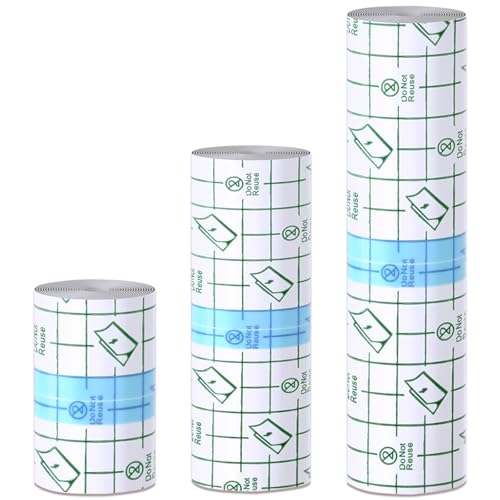
Triple-Size Value Pack for Every Tattoo Style - Get 3 full rolls of premium second skin tattoo cover (2" x 2.2 Yd, 4" x 2.2 Yd, 6" x 2.2 Yd) - sized for wrist art, back pieces, or sleeve designs. The tattoo aftercare bandage can be cut freely to match any ink!
Best and Worst Scar Types for Cover-Ups
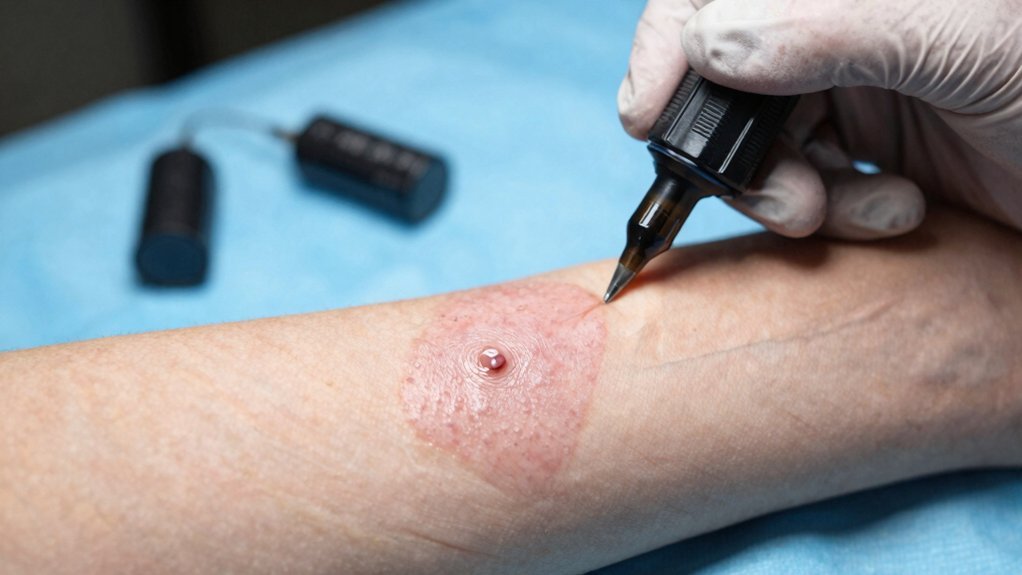
Which scars take ink best? Flat, mature scars accept ink most predictably. You’ll find that surgical scars and stretch marks often yield smooth results once they’ve fully healed and faded to silver or white. The skin has fully stabilized, allowing needles to deposit pigment evenly.
Avoid tattooing keloids or hypertrophic scars. These raised, fibrous tissues rebel against ink saturation and create uneven textures. You’ll struggle to achieve clean lines on bumpy surfaces. Fresh scars pose problems too. They’re still remodeling and reject pigment. You must wait until collagen settles completely. Raised burn scars and deep acne pits also challenge artists; ink pools differently in divots and ridges. You’ll need an experienced artist who understands how scar tissue alters needle depth and overall ink retention.
Recommended Products

Triple Blackout Tattoo Ink - Strengthen your shading with Triple Blackout, the boldest black designed for greater dimension in your tattoos. With a glycerin free formulation, this professional tattoo ink inserts smoothly into the skin for excellent distribution and shading.

◈ Premium Value Set - Get 2 rolls of professional tattoo aftercare bandage (6"x2 Yard each), totaling 4 yards. Easily cut to fit large tattoos, saving frequent repurchases. Ideal for all body areas.

Ink caps size: 14x12mm(medium size)
Pain Levels to Expect on Damaged Skin
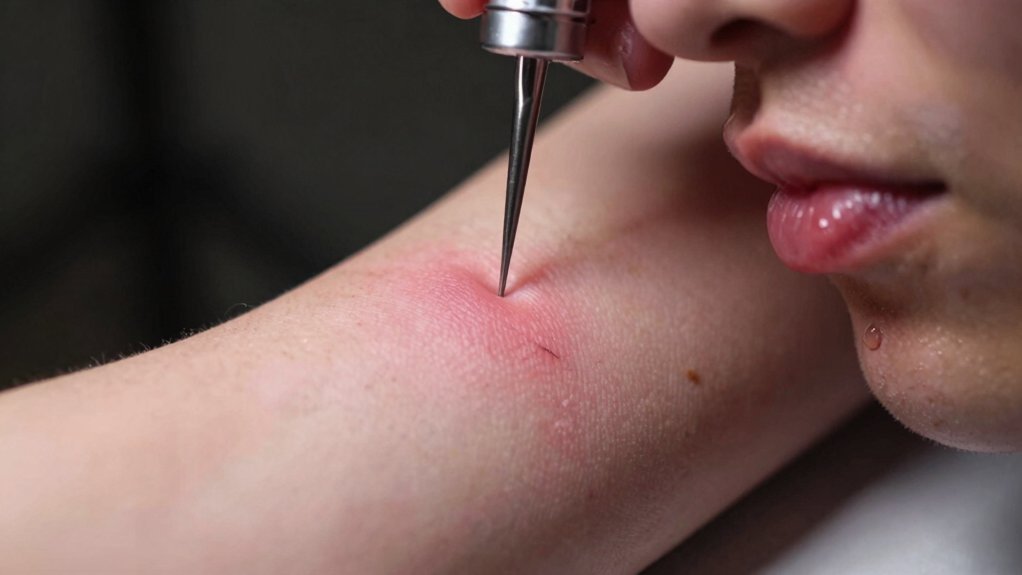
Why endure more discomfort than necessary? You need to understand that tattooing over scar tissue often hurts more than normal skin. Scarred areas contain damaged nerve endings and denser tissue, which intensifies sensation during needlework.
You’ll notice sharper pain on raised keloids and hypertrophic scars because the needle must penetrate thickened collagen. Flat, mature scars typically cause less distress than fresh, pink ones. Nerve damage from burns or deep cuts creates unpredictable sensations—sometimes numbness, sometimes hypersensitivity.
Your artist will see you wince more in these zones. The vibration feels different too, like dragging across uneven terrain rather than gliding. You can request numbing creams, though they work unevenly on scar tissue. Build breaks into longer sessions. Your body expends extra energy healing compromised skin, so fatigue hits faster.
Recommended Products

3-Layer Full Coverage: This body coverage perfector features our exclusive Triple Pigment Dispersion Technology, delivering a smooth, even, and seamless finish with zero trace. It offers complete 3-layer coverage for a wide range of imperfections—including tattoos, scars, varicose veins, stretch marks, bruises, and age spots. Whether you need tattoo cover-up makeup or a full-body for a flawless look, this easy to apply solution makes achieving a radiant.
Body makeup foundation

【Tattoo cover up waterproof】This tattoo cover sticker adopts a waterproof adhesive method, it is not easy to fall off when exposed to water or sweat, and it can keep the fit state for a long time and maintain the ideal effect.
How to Find an Artist Who Specializes in Scar Work
Your search for the right artist starts with recognizing that scar work demands specialized skills beyond standard tattooing. You need someone who’s trained specifically in tattooing over keloids, burns, and surgical scars.
Start by browsing portfolios for healed scar cover-ups, not just fresh work. You’ll spot specialists by their documentation of before, during, and after healing. Ask artists directly how many scar projects they’ve completed and what types they handle. Don’t shy away from requesting client references.
You’ll want to verify their understanding of scar age requirements—most won’t tattoo fresh scars under 12-18 months old. Check if they’ve studied under medical tattooing programs or worked with plastic surgeons.
During consultations, notice whether they assess your scar’s texture, elasticity, and vascularity. A skilled artist’ll explain limitations honestly rather than promising miracles. Trust your instincts if someone seems hesitant; that caution often signals professionalism.
Recommended Products
sfx Halloween Tattoo Stickers Wound Tattoo Stickers Simulation tattoo tattoo scar tattoo tattoo knife simulation Waterproof Tattoo Sticker 24pcs

Great Value Pack: You will get 30 Sheets Halloween temporary tattoos, 3 Pcs Unique design for all your needs. It is a trick to frighten friends used in cosplay, masquerade or Halloween party.

Realistic tattoos: This scar tattoo set features highly detailed and lifelike designs of wounds, scars, and injuries for a gruesome Halloween look.Science fiction robot tattoo
Design Strategies That Camouflage Scars Best
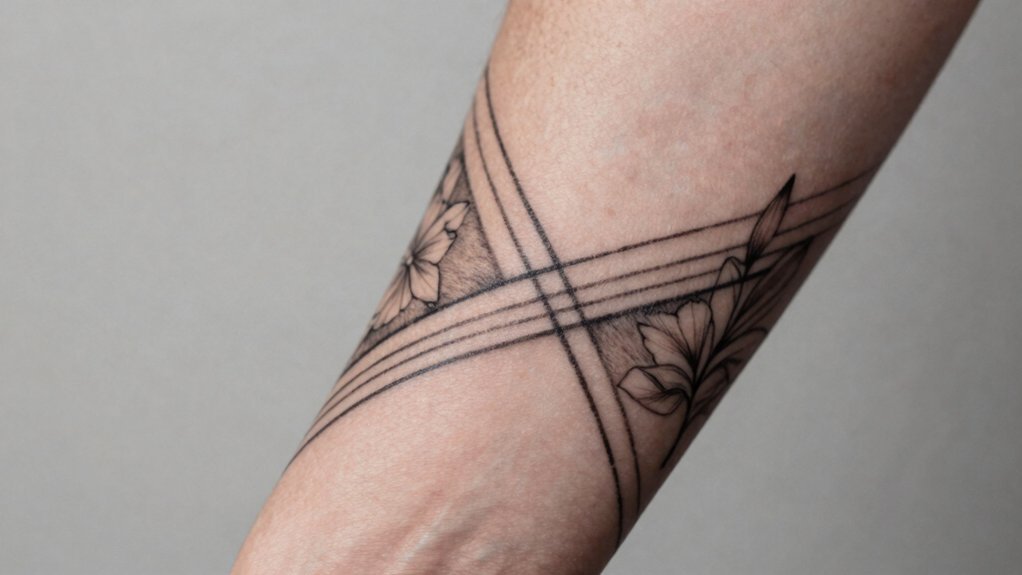
How should you approach a design that actually hides the scar rather than highlighting it? You’ll want to avoid solid blocks of dark ink right over the scar—that’ll make it stand out starkly. Instead, choose busy patterns with natural breaks: floral arrangements, organic textures, or geometric shapes with varied densities. You’ll draw the eye across the whole piece rather than to the scar itself. Place detailed elements adjacent to the scar, not centered on it. You should also consider designs where the scar becomes a natural contour—think tree bark, water ripples, or fur lines. Color gradients help too; you’ll soften edges by transitioning tones smoothly rather than creating hard borders. Ultimately, you’re not erasing the scar—you’re integrating it so seamlessly that it becomes invisible in plain sight.
Recommended Products

Full-Coverage Concealer for Imperfections – This tattoo concealer provides buildable, full coverage to effectively camouflage the appearance of tattoos, scars, dark spots, birthmarks, and skin discoloration. A little goes a long way for a flawless finish.

COMFORTABLE - NO SLIP GRIPPER - NO ITCHY TAGS - NO CHAFE SEAMS -- Our no-slip gripper at the top of each tattoo cover sleeve keeps them firmly in place all day long.

COMFORTABLE - NO SLIP GRIPPER - NO ITCHY TAGS - NO CHAFE SEAMS -- Our no-slip gripper at the top of each tattoo cover sleeve keeps them firmly in place all day long.
How Ink Behaves on Scar Tissue
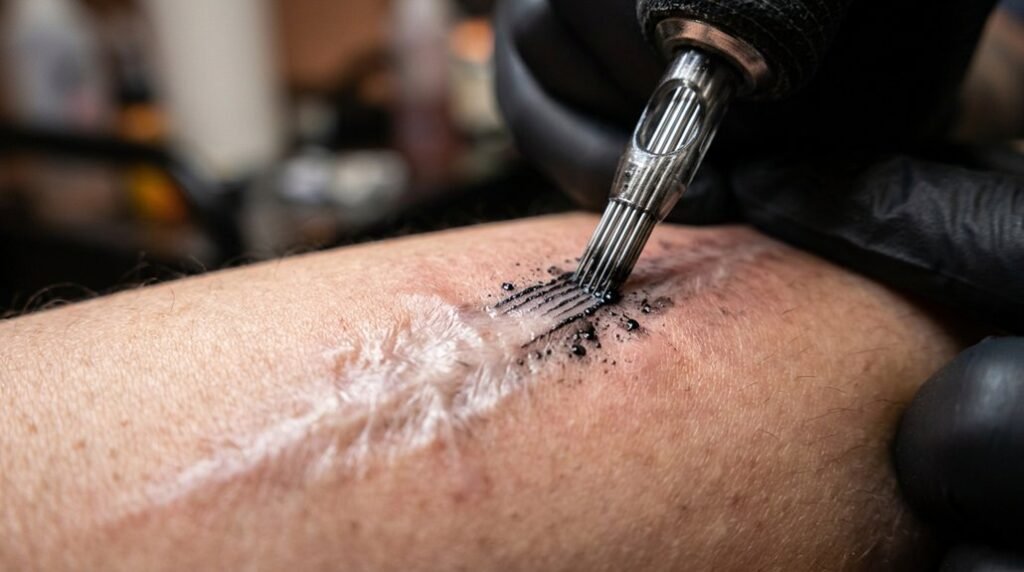
Ink sits differently on scar tissue than it does on healthy skin, and you’ll notice the difference immediately if your artist doesn’t adjust their technique. Scar tissue contains dense collagen bundles that don’t absorb pigment evenly. You’ll see ink pool or spread unpredictably across these areas, creating blurred edges or patchy saturation.
Your artist must work slower, using multiple passes with lighter pressure. You’ll feel the needle drag differently across raised or textured scars. Flattened scars often reject ink entirely in spots, leaving gaps in your design.
You’ll notice keloids pose the biggest challenge—they’re thick, rubbery, and extremely resistant to pigment. The needle struggles to penetrate these formations, and you’ll watch color fade faster here than elsewhere.
Moisture levels differ too. You’ll find scar tissue holds less fluid, causing ink to dry rapidly on the surface. Your artist compensates by stretching the skin more aggressively and applying aftercare balm immediately.
Recommended Products

【Confident Coverage for Work & Social】-- Achieve a discreet look with our 2.95 inch / 7.5 cm wide fabric tape, which can completely conceals tattoos, scars, or blemishes. The breathable cotton-spandex blend offers a matte, skin-textured finish that minimizes shine and attention. Pro Tip: For very dark or black ink, we recommend applying without stretching or using a double layer for maximum opacity. It’s the ideal solution for corporate interviews, nursing clinicals, or formal events where you need a professional, clean appearance without the hassle of makeup smudging

【Tattoo cover up waterproof】This tattoo cover sticker adopts a waterproof adhesive method, it is not easy to fall off when exposed to water or sweat, and it can keep the fit state for a long time and maintain the ideal effect.

Instant Confidence Boost with 2-Roll Value Pack: Get two full rolls (4" x 16.4 ft each) of light tan tattoo cover up tape in one convenient pack—perfect for covering tattoos, scars, or birthmarks on the go. No more single-use worries; this bundle saves you money and ensures you're always prepared for beach days, job interviews, or dates, delivering seamless, natural-looking coverage that boosts your confidence right away.
Risks and Realistic Results to Expect
Scar tissue doesn’t behave predictably under the needle, and understanding what can go wrong helps you set proper expectations before committing to a design. You’ll notice ink spreads unevenly across dense scar areas, creating blurred lines or patchy color saturation. Raised scars might reject pigment entirely, leaving you with visible gaps in your artwork.
You should expect the texture of your scar to remain visible through the tattoo. The design won’t sit perfectly flat, and light catches differently on altered skin surfaces. Some clients experience prolonged healing times, increased pain during the session, or heightened risks of infection due to compromised skin integrity.
Your artist can’t guarantee complete coverage of the scar’s appearance. You’ll likely see the scar’s outline or texture beneath the ink, especially with surgical or Keloid scars. Results vary dramatically based on scar age, type, and location.
Recommended Products

Tattoo Ink Caps Kit - Comes with 300pcs mixed size tattoo ink caps. The diameter of large ink cups is 15mm, medium 11mm, small 8mm, each size 100pcs. Ink caps for tattooing makes mixing tattoo ink easier, meet your different needs. The tattoo ink cups are enough to use.

100% new brand and high quality. Favored among professional tattoo technicians.

MADE IN SPAIN, REACH COMPLIANT — Dynamic Color Platinum is produced in the European Union and formulated to meet REACH requirements for tattoo inks, so it fits studios that require REACH-compliant pigments.
What to Budget for a Scar Cover-Up
Prices for scar cover-ups swing widely based on what you’re working with and what you want to achieve. You’ll typically pay $150 to $500 per hour, with most scar pieces requiring multiple sessions. Simple designs start around $300, while complex, full-coverage work can exceed $2,000.
Your scar’s texture and age affect your total cost. Raised or heavily textured scars demand extra prep time and specialized techniques, driving up your bill. Experienced artists who’ve mastered scar tattooing charge premium rates, but you’re paying for expertise that minimizes risks.
Budget for a consultation fee—usually $50 to $100—where you’ll discuss sizing, placement, and design complexity. Large pieces or hyper-realistic cover-ups need more ink and longer sessions. Don’t bargain shop; this isn’t the place to cut corners.
Recommended Products

After tattoo care:Helps safeguard new tattoos or retouched areas, supporting a cleaner, smoother healing process. It can help lock the color, protect your tattooed skin,...
Aftercare Tips for Tattooed Scar Tissue
How you treat your skin in the weeks following a scar cover-up determines how well your tattoo settles and heals. You’ll need to keep the area clean and moisturized, but don’t overdo it. Wash gently with fragrance-free soap, pat dry, and apply a thin layer of recommended ointment. Scar tissue absorbs ink differently, so you’ll notice longer healing times. Resist scratching or picking, even when it itches.
You’ll also want to avoid direct sunlight completely during healing, and use high-SPF sunscreen afterward, since scars and fresh tattoos burn easily. Skip tight clothing that rubs the area. Don’t soak the tattoo in baths, pools, or hot tubs until fully healed. Your artist knows your skin best, so follow their specific instructions closely and reach out if you notice unusual swelling or prolonged redness.
Recommended Products

Halloween Zombie Temporary Tattoos: 10 Sheets horror bloody wound stitch tattoos seem very true and natural, you can use it to DIY your own style tattoos. Size: 3.93" x 2.35".

Ultra-Realistic Horror Designs: This set includes 9 sheets packed with high-definition, lifelike wound patterns, featuring deep claw scratches and detailed bloody stitches. The intricate shading ensures a professional, 3D appearance that genuinely mimics true injuries for immersive costumes

Packing Include: 45 sheets zombie tattoos for halloween with over 273+ fake scars designs. Measures 4.8*2.7 inches in length and width. Large pattern and horror realistic design,you can be applied to various parts of the body,face,arms,legs,shoulder,wrist,chest or anywhere you like.
Conclusion
You can get a tattoo over a scar if you’re patient and smart about it. Wait until it’s fully healed, find an artist who knows scar tissue, and keep your expectations realistic. The ink won’t behave perfectly, but with the right design and care, you’ll transform old damage into something meaningful. Just remember: this is a specialized process, not a quick fix.