
You’re proud of that ink, but the sun doesn’t share your admiration. UV rays attack tattoo pigments from day one, turning vibrant designs into faded memories faster than you’d expect. Fresh work faces the worst danger—open skin and tanning beds are a costly mistake. Wondering how long you actually need to wait, or if protection is even possible?
Key Takeaways
- Fresh tattoos are open wounds that cannot be exposed to sun or tanning beds during healing.
- Wait at least four to six weeks before any direct sun or tanning bed exposure occurs.
- Healed tattoos still fade from UV exposure, turning blacks gray and colors dull over time.
- Always use SPF 50+ mineral sunscreen and reapply every two hours when tanning outdoors.
- Touch-ups can restore faded ink, but severe sun damage may require laser removal or cover-ups.
Recommended Products

POWERFUL MINERAL SUNSCREEN - Protect sensitive skin from the sun’s harmful rays with Blue Lizard Sensitive Mineral SPF 50 Sunscreen Lotion it contains no harsh chemical active ingredients that might irritate sensitive skin.

ZINC OXIDE-ONLY SUNSCREEN - Protect sensitive skin with Blue Lizard Sensitive Mineral Sunscreen Stick SPF 50. Formulated with Zinc Oxide, it contains no harsh chemical active ingredients that might irritate sensitive skin.

CETAPHIL SHEER MINERAL SUNSCREEN STICK SPF 50: Nourishes sensitive skin while providing hydrating, chemical free sun protection
Can You Tan With a New Tattoo?
How soon can you safely tan after getting inked? You can’t—at least not immediately. Your fresh tattoo is an open wound with thousands of tiny punctures holding pigment beneath your skin. You’re damaging this healing tissue if you expose it to UV rays or tanning beds. You’ll notice scabbing, fading, and distorted lines when you ignore this.
You’re risking infection too, since bacteria thrive on compromised skin. Your artist sealed the piece with a bandage or wrap; you’re meant to keep it protected. You’re also losing money when that vibrant design dulls prematurely.
You must treat healing tattoos gently. You’re washing gently, moisturizing appropriately, and keeping them completely covered from any sun. You’re prioritizing long-term appearance over short-term color. Your patience protects both the artwork and your skin’s health.
Recommended Products

COMPLETE AFTERCARE KIT FOR NEW & EXISTING TATTOOS: This Tattoo Aftercare Kit brings together 3 essentials, Antimicrobial Soap, Tattoo Balm, and Tattoo Lotion, to help cleanse, protect, and moisturize fresh ink. Useful after tattoo sessions and throughout healing, it supports vibrant color and skin comfort for dedicated ink enthusiasts and artists

STICK APPLICATION, ZERO MESS: Twist up the tattoo balm stick, swipe directly over the tattoo, and blend as needed. No jar to open, no fingers scooping product, and no need to carry a separate applicator. The solid stick format is easy to keep in a bag, bathroom cabinet or travel kit, making care simple at home or on the go. It gives you controlled application exactly where you want moisture, with less mess than traditional balm jars. Great for quick touch-ups whenever tattooed skin feels like it needs extra care, at home, after work or while traveling.

PROTECT & HEAL - H2Ocean Aquatat seals the skin in a moisturizing barrier to protect from irritants while still allowing the skin to breathe. Aquatat will also heal topical wounds on skin such as tattoos, rashes, cuts and scrapes while minimizing scabbing.
How Long to Wait Before Sun Exposure
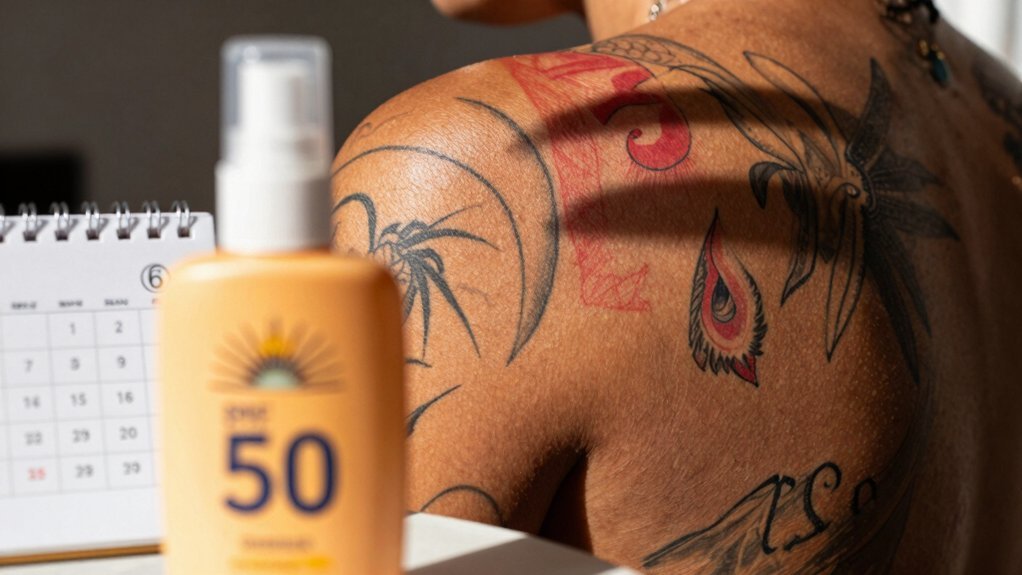
When exactly is your skin ready for sunlight? You’ll need to wait at least four weeks before exposing your fresh ink to direct sun, though six weeks proves safer for complete healing. Your tattoo represents an open wound during the initial healing phase, and premature exposure invites infection, blistering, and permanent color distortion.
The outer layer heals within two weeks, but deeper layers require additional time. You can’t rush this process. After the initial month passes, you must assess whether scabbing and peeling have subsided. If redness or sensitivity persists, you’ll wait longer.
Once fully healed, your tattoo enters a different vulnerability phase, but you’ve crossed the critical barrier where ultraviolet radiation causes most devastating immediate damage to both your artwork and skin integrity.
Recommended Products

【Comfortable design】 Our tattoo sleeves are made of bamboo charcoal fiber, which has excellent flexibility and breath ability. This arm sleeve has a strong sweat-absorbing ability, will not tighten the arm, and is very comfortable to wear for a long time.

【UV Protection & Cooling Comfort】UPF 50+ blocks 98% UVA/UVB — ideal sun sleeves for gardening/driving. Lightweight fabric wicks sweat, stays fresh as cooling arm sleeves
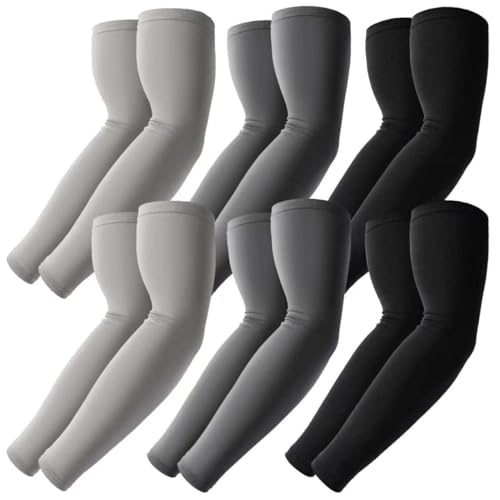
【Many Features】Our arm sleeves for men women are added with anti-UV ingredients, which can truly block ultraviolet rays and prevent skin sunburn and aging. In addition to UPF50+, our compression sleeves also have high elasticity, anti-pilling, covering tattoos, non-fading, moisture-wicking, non-slip, chemical-free,etc. We carefully polish the quality of the compression arm sleeves for men women to create unique BHYTAKI arm sleeves, so that you can use them with peace of mind and satisfaction.
Healing Practices That Protect Long-Term Color
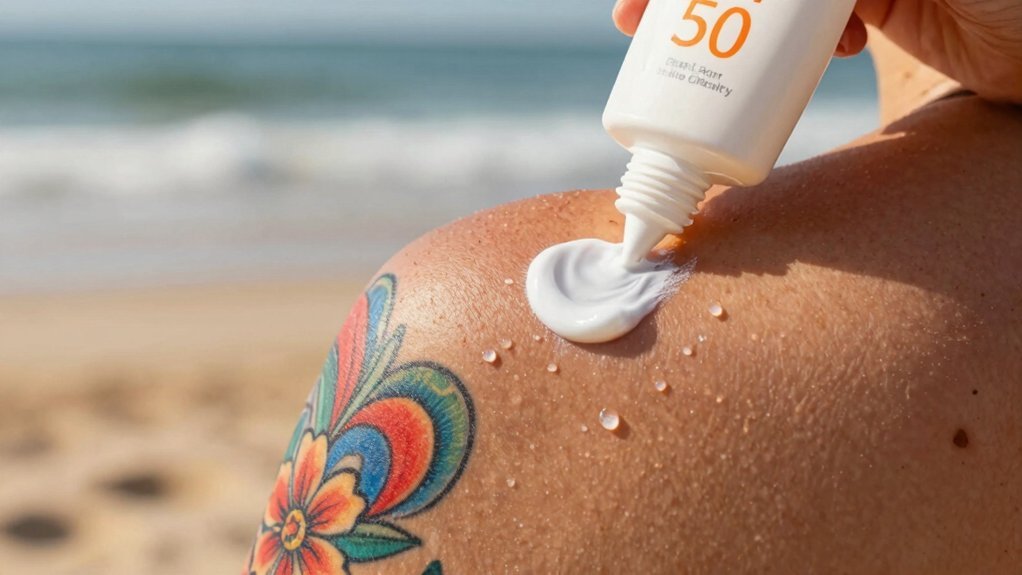
Once you’ve cleared that initial healing window, your focus shifts from avoiding damage to actively preserving what you’ve got. You moisturize daily with fragrance-free lotion, keeping skin hydrated and supple. You apply broad-spectrum SPF 50+ sunscreen every two hours when outdoors, reapplying after swimming or sweating. You seek shade during peak UV hours and wear breathable clothing that covers tattooed areas. You avoid harsh exfoliants and hot tubs that strip protective barriers. You maintain stable body weight, preventing skin stretching that distorts lines. You schedule touch-ups with your artist when fading appears, catching wear before it spreads. These practices become ritual, not reaction. You’re protecting an investment that lives in your skin, defending pigment against time, elements, and daily friction.
Recommended Products

16-fluid ounce bottle of Lubriderm Fragrance Free Daily Moisture Lotion + Pro-Ceramide, Shea Butter and Glycerin to help restore skin's moisture barrier for healthier-looking skin

24-hour results: Clinically proven to help moisturize dry skin for 24 hours** with Pro-Ceramide and glycerin, this hydrating lotion helps strengthen your skin’s natural moisture barrier for healthier-looking, hydrated skin

Protect Your Body Art: Moisturizing with the bonus of itch relief! Tattoo Goo's Tattoo Care Lotion soothes healing skin & keeps healed ink looking sharp for life. With olive oil & glycerin, it delivers deep, breathable hydration that won’t clog pores
How Sun Exposure Affects Tattoos Over Time
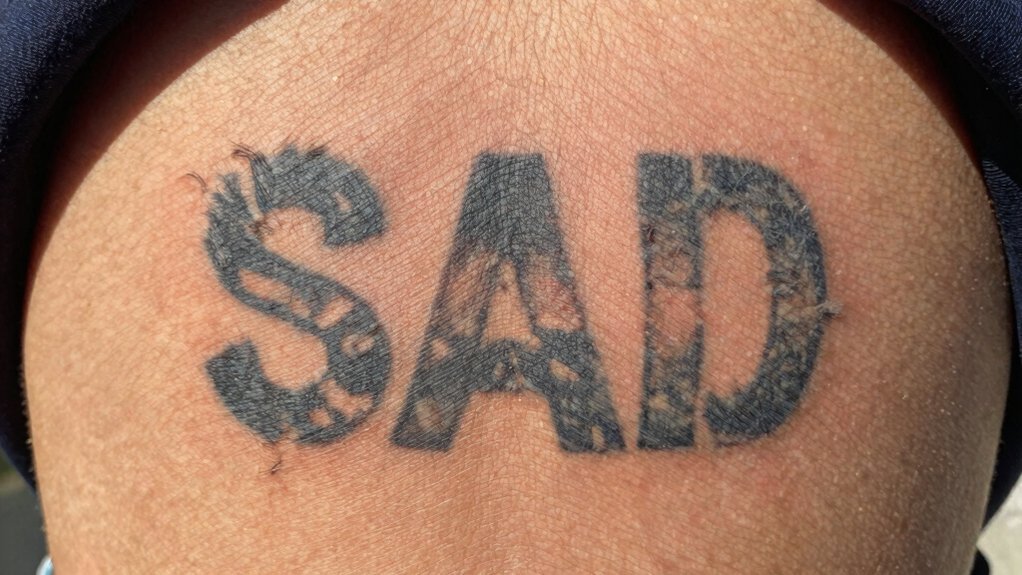
Why does that vibrant ink gradually surrender its intensity? You’re witnessing photodegradation in action. When you expose tattooed skin to sunlight, ultraviolet radiation penetrates the dermis and breaks down the pigment particles your immune cells haven’t already cleared. You’re essentially accelerating a natural fading process that would otherwise take decades.
You’ll notice your blacks turning gray, your reds becoming pink, and your blues washing out entirely. You’re also triggering collagen breakdown around the ink, which blurs the sharp lines you paid for. Each tanning session compounds this damage. You’re not just losing color; you’re altering the skin’s texture that holds the art.
You can’t reverse this once it happens. You’re making a choice between bronze skin and crisp artwork every time you skip protection.
Recommended Products

【Comfortable design】 Our tattoo sleeves are made of spandex which has excellent flexibility and breath ability. This arm sleeve has a strong sweat-absorbing ability, will not tighten the arm, and is very comfortable to wear for a long time.

Roxun cooling arm sleeves provide a seamless, snug fit, thanks to the durable blend of 90% nylon and 10% spandex. Forget about constant adjustments or circulation issues

Ultimate Protection: Our sun protection sleeves block over 98% of harmful sun rays, offering superior protection against sunburn and skin damage. Ideal for any outdoor activity.
Why UV Rays Fade Tattoo Colors Faster
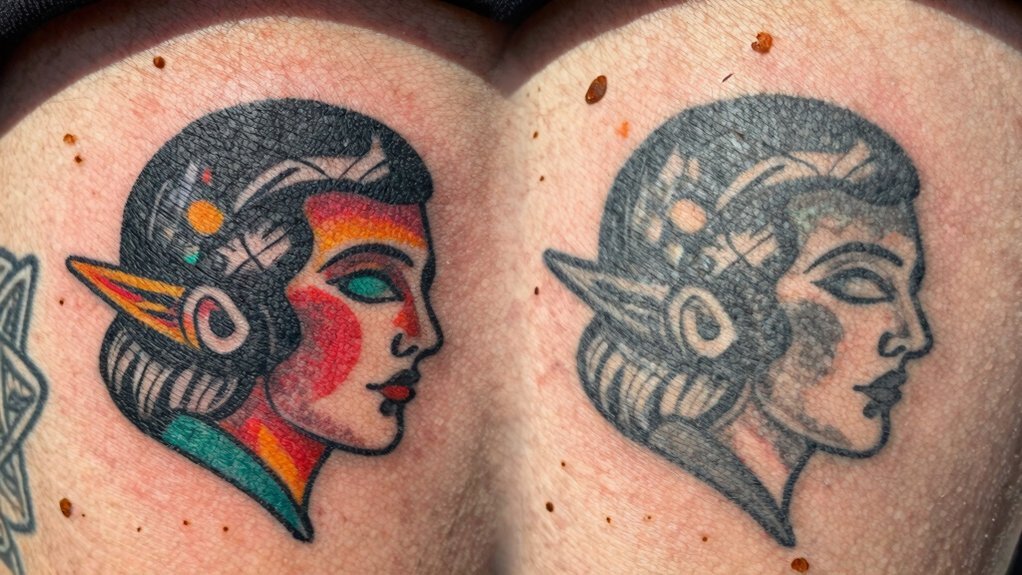
How exactly does sunlight rob your ink of its punch so quickly? UV rays penetrate your skin and break down the tattoo pigment particles embedded in your dermis. Your immune system recognizes these fragments as foreign invaders and sends cells to carry them away. You’re essentially watching your body’s defense mechanism erase your art.
Darker colors absorb more UV radiation, so you’ll notice blacks and deep blues fading first. Lighter pigments like yellow and white scatter light differently and degrade even faster under direct exposure. You can’t stop this process entirely, but you’re accelerating it every time you skip sunscreen. The photodegradation happens at the molecular level, shattering ink compounds into smaller pieces that your lymphatic system flushes out. Your tattoo doesn’t just fade—it literally disappears particle by particle.
Recommended Products

[ BROAD SPECTRUM UV PROTECTION ] 100% Mineral based sunscreen reflects UVA/UVB rays to help protect the skin. Stick sunscreen for face formulated with InVisibleZincTM Technology, a micro-fine zinc oxide that spreads easily & has a clear finish.

100% MINERAL SUNSCREEN - Mineral-only SPF formula with Zinc Oxide and Titanium Dioxide for broad spectrum protection.

POWERFUL MINERAL SUNSCREEN - Protect sensitive skin from the sun’s harmful rays with Blue Lizard Sensitive Mineral SPF 50 Sunscreen Lotion it contains no harsh chemical active ingredients that might irritate sensitive skin.
Spray Tan vs. Natural Sun: Which Is Safer for Tattoos?
Where exactly does your tattoo face less danger—under a salon mist or out in the blazing sun? You’ll find spray tanning wins, hands down. Dihydroxyacetone (DHA) bonds with your skin’s surface without penetrating to your ink. You avoid UV damage entirely. No photodegradation, no molecular breakdown, no premature fading.
But don’t celebrate yet. Spray tans bring their own risks. Uneven application pools in healed tattoo texture, creating blotchy discoloration. Fresh tattoos demand absolute avoidance—DHA irritates open wounds and invites infection. You must also shield healing ink from the solution entirely.
Natural sun exposes you to cumulative UV harm that permanently dulls your pigment. You can’t reverse that damage. With spray tans, you control timing and protect vulnerable ink. Choose the bottle, but wait until you’ve fully healed.
Recommended Products
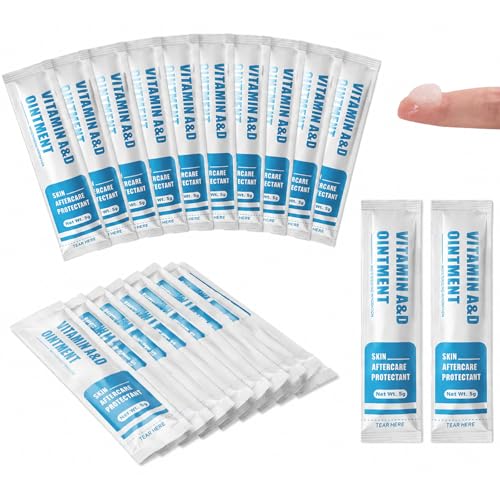
Honest, Accurate Care – This protective ointment comes in 50 hygienic single-serve packets for mess-free, on-the-go convenience. Easy to apply for tattoo protection anytime.

Upgraded Design, Easy to Use --- Tattoo aftercare balm comes in a tube,this container allows you to glide on the butter easily,Rolls on smoothly and evenly on your skin,No more mess or residue on your finger,convenient to use

Nourishes Healing Ink for Vibrant Color: Tattoo Goo supports healing tattoos & maintains vibrancy on healed ink with a lightweight formula rich in olive oil, lavender oil, cocoa butter, and beeswax. It absorbs quickly, moisturizes deeply, and helps reduce dryness, itch and tightness so your tattoo looks and feels comfortable through everyday routines
The Best Sunscreen for Tattoo Protection
You’ve weighed your tanning options, but neither spray booths nor sunbathing eliminate your need for daily defense. You must shield your ink with the right sunscreen, and you’ll want to choose wisely.
You should grab a broad-spectrum formula blocking both UVA and UVB rays. You’ll need SPF 30 minimum, though SPF 50 offers stronger protection for vibrant colors. You must avoid chemical sunscreens containing oxybenzone or octinoxate; these can irritate healing skin and fade pigments faster. You’ll fare better with mineral-based options featuring zinc oxide or titanium dioxide. They sit on top of your skin, reflecting harmful rays without penetrating your tattoo.
You should apply generously fifteen minutes before exposure and reapply every two hours. You can’t skip this step if you’ve invested in permanent art.
Recommended Products

American Made Quality - Proudly made in the USA with premium craftsmanship delivering high-quality protection and durability. Suntan full arm sleeves in MediuMLarge size for reliable coverage.

BLOCKS 98% OF UV RAYS: These UPF 50+ sun sleeves shield your arms on a long bike ride, a round of golf, or a full day on the job, ditching the greasy reapply-every-hour sunscreen routine.

BLOCKS 98% OF UV RAYS: These UPF 50+ sun sleeves shield your arms on a long bike ride, a round of golf, or a full day on the job, ditching the greasy reapply-every-hour sunscreen routine.
Clothing and Cover-Ups That Block UV Rays
Why rely solely on sunscreen when your wardrobe can double as armor? You can shield your inked skin by wearing UPF-rated clothing that blocks harmful rays. Look for fabrics labeled UPF 50+, as they filter out 98% of UV radiation. You’ll find rash guards, long-sleeve shirts, and lightweight cover-ups that keep you cool while protecting your tattoos. Dark, tightly woven materials offer better defense than thin, light-colored options. You should also consider wide-brimmed hats and UV-blocking sunglasses for comprehensive coverage. When you’re swimming or sweating, these garments maintain their protective qualities better than sunscreen alone. You’ll minimize reapplication hassle and reduce the risk of fading or discoloration. Dress smartly, and you’re actively preserving your body art’s vibrancy and color while enjoying the sun safely.
Recommended Products

INFUSED WITH CLEAN, EFFECTIVE INGREDIENTS - The clean ingredients like Glycerin & Shea Butter provide lightweight nourishment and bounce to skin without ever feeling heavy or greasy on the surface. Anti-aging powerhouse vitamin A promotes visible firmness to skin, offsetting the appearance of fine lines and wrinkles.

Body lotion for dry skin: Daily Moisturizing Lotion nourishes the skin with a light and creamy yet fast-absorbing feel to help prevent dryness; body lotion instantly strengthens the skin barrier with 48-hour hydration; 8 Fl Oz

Hydrates and relieves dry, sensitive skin
Signs Your Tattoo Has Sun Damage
How can you tell if your tattoo has already taken a beating from the sun?
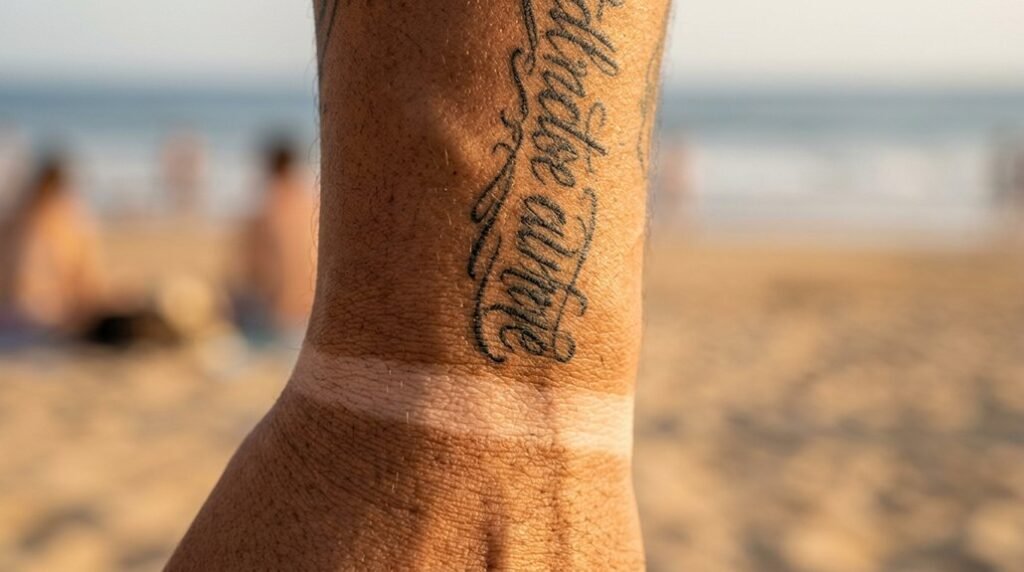
You notice the colors looking dull or washed out. Your once-vibrant reds fade toward pink; blues turn muddy gray. Black lines soften and blur at the edges instead of holding crisp boundaries. You see patchy or uneven pigmentation across the design—some spots retain color while others look bleached.
You feel the skin texture changing too. The tattooed area feels rougher or drier than surrounding skin. You spot tiny white spots or scars within the ink where UV rays destroyed pigment completely.
You compare old photos and see the difference clearly. Fresh tattoos hold saturation; sun-damaged ones look aged prematurely. You run your fingers across the design and feel raised, irritated sections that sun exposure has damaged structurally, not just cosmetically.
Recommended Products

Ultimate Protection: Our sun protection sleeves block over 98% of harmful sun rays, offering superior protection against sunburn and skin damage. Ideal for any outdoor activity.

Roxun cooling arm sleeves provide a seamless, snug fit, thanks to the durable blend of 90% nylon and 10% spandex. Forget about constant adjustments or circulation issues
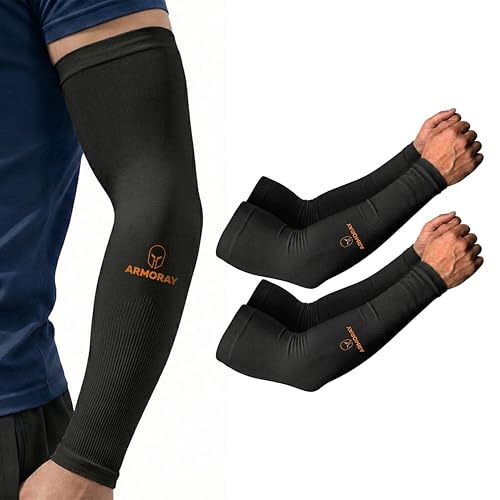
ULTIMATE Sun Protection: Designed with UV protective fabric to help shield your skin during outdoor activity. Ideal as sun sleeves for men and women for running, cycling, golf, and everyday use under direct sunlight.
Can You Fix a Sun-Faded Tattoo?
While you can’t reverse sun damage to the ink itself, you can absolutely restore a faded tattoo’s appearance through several proven methods.
You should first consult a professional tattoo artist for a touch-up. They’lldeposit fresh ink into the faded areas, bringing back vibrancy and sharpness. You’ll need healthy, fully healed skin for best results.
You might also consider laser removal sessions for badly damaged pieces, followed by a complete cover-up redesign. This gives you a fresh start when touch-ups won’t suffice.
You’ll protect your investment by applying SPF 50+ sunscreen daily to all tattooed areas. Reapply every two hours during sun exposure.
You should keep the skin moisturized with fragrance-free lotions to maintain ink clarity.
You can’t undo UV damage, but you can take action now to restore what you’ve lost and prevent future fading.
Conclusion
You can tan with tattoos, but you’ll risk serious damage. Fresh ink needs complete sun avoidance until fully healed. After that, you’re fighting a losing battle against fading—UV rays break down pigments and blur your artist’s work. Your best defense is mineral SPF 50+, protective clothing, and seeking shade. Skip the tanning beds entirely. If color’s already faded, a touch-up helps, but prevention saves you money and preserves your art long-term.