
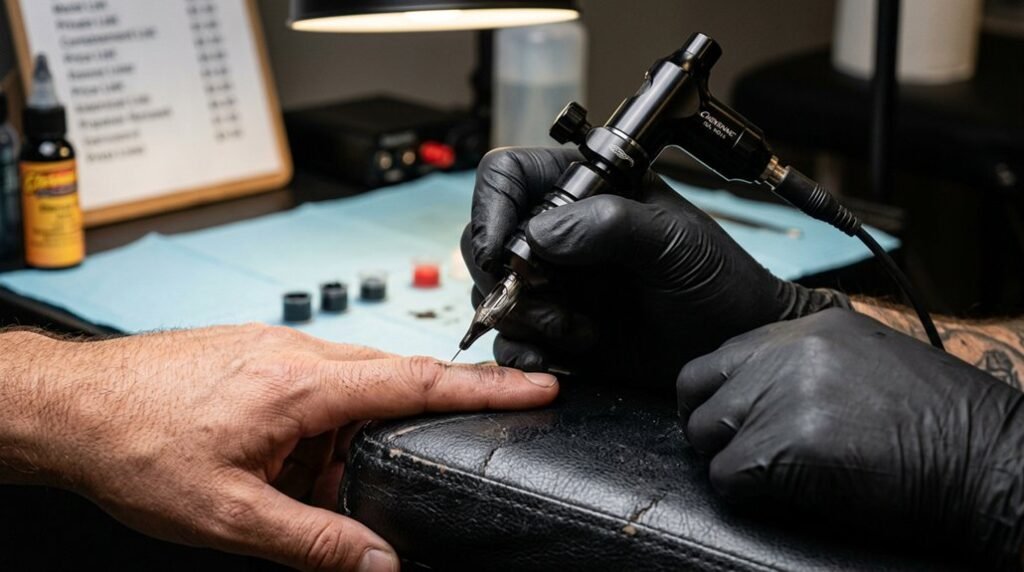
You’re staring at your hand, imagining that tiny symbol or word inked along your finger, but the price tag feels elusive. Most shops won’t quote you accurately until they see the design, and that’s intentional—finger work demands precision most artists charge extra for. Before you book that appointment, you’ll want to understand why these small tattoos often cost more than larger pieces elsewhere.
Key Takeaways
- Simple finger tattoos typically cost $50 to $150, with intricate designs commanding higher prices.
- Artists charge more for finger work due to bleeding, blowout risks, and faster fading complications.
- You pay for specialized skills managing unstable skin, bold tiny designs, and guaranteed longevity.
- Touch-ups run $50 to $100 every 6-12 months, often exceeding your original tattoo cost over time.
- Cheap pricing risks infections, poor healing, and expensive removal—prioritize experienced finger specialists with healed portfolios.
Recommended Products

TATTOO AFTERCARE ESSENTIAL: Hustle Butter is the original tattoo aftercare balm for new and older tattoos. With over 10 years in the market, we are a pioneer of the tattoo aftercare category.

Nourishes Healing Ink for Vibrant Color: Tattoo Goo supports healing tattoos & maintains vibrancy on healed ink with a lightweight formula rich in olive oil, lavender oil, cocoa butter, and beeswax. It absorbs quickly, moisturizes deeply, and helps reduce dryness, itch and tightness so your tattoo looks and feels comfortable through everyday routines

COMPLETE AFTERCARE KIT FOR NEW & EXISTING TATTOOS: This Tattoo Aftercare Kit brings together 3 essentials, Antimicrobial Soap, Tattoo Balm, and Tattoo Lotion, to help cleanse, protect, and moisturize fresh ink. Useful after tattoo sessions and throughout healing, it supports vibrant color and skin comfort for dedicated ink enthusiasts and artists
How Much Does a Finger Tattoo Cost?
Wondering what you’ll actually pay for finger ink? You’re looking at $50 to $150 for most simple designs. Small symbols, letters, or minimal linework typically fall on the lower end. Intricate patterns or multiple fingers push costs higher. You’re paying for the artist’s time, not just the size—finger skin demands steady hands and precise technique.
You’ll notice shops often charge minimums regardless of simplicity. A tiny heart still occupies a station, requires setup, and follows health protocols. You’re also covering supplies: fresh needles, quality ink, and aftercare materials.
Location affects your price too. Major cities command premium rates compared to smaller markets. You’re wise to research local studios, compare portfolios, and remember that rock-bottom pricing often signals inexperience or shortcuts you don’t want near your hands.
Recommended Products
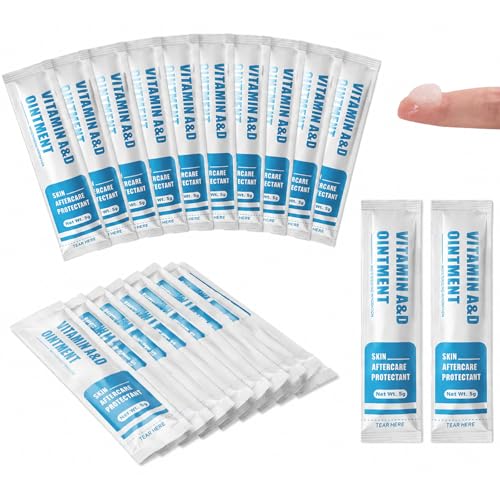
Honest, Accurate Care – This protective ointment comes in 50 hygienic single-serve packets for mess-free, on-the-go convenience. Easy to apply for tattoo protection anytime.

【Enriched with Vitamins A & D】This tattoo scar gel is formulated with naturally derived vitamins A and D, plus skin-calming ingredients. It helps support your skin's natural recovery process while keeping the tattoo area moisturised.

PROTECT & HEAL - H2Ocean Aquatat seals the skin in a moisturizing barrier to protect from irritants while still allowing the skin to breathe. Aquatat will also heal topical wounds on skin such as tattoos, rashes, cuts and scrapes while minimizing scabbing.
Why Your Artist Charges More for Finger Work
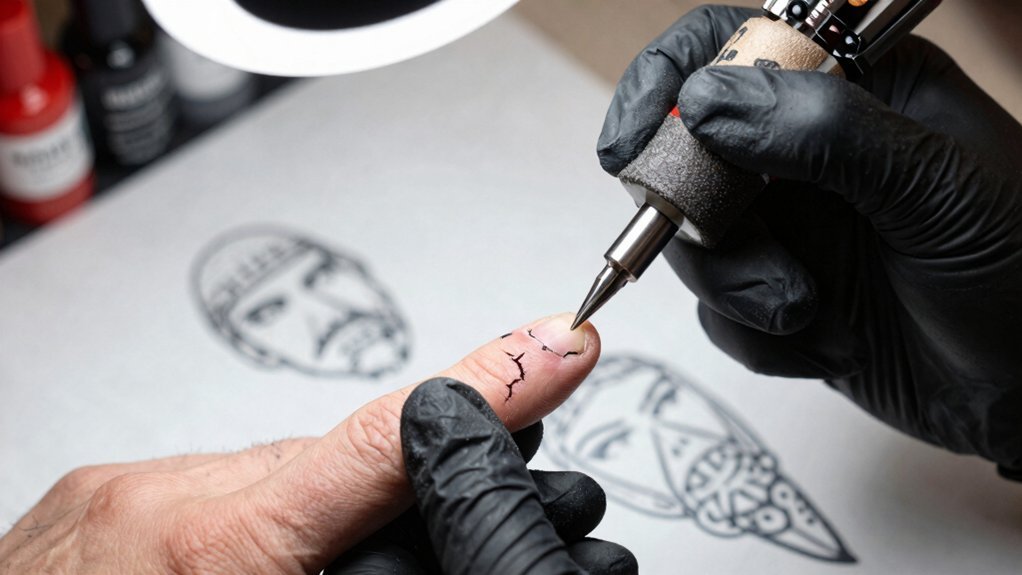
You’ve seen the base price range, but you might notice your artist tacking on extra for finger placement specifically. Here’s why your skin bill jumps: fingers bleed more, blur faster, and heal unevenly, forcing your artist to work slower with steadier hands and more frequent touch-ups.
Your tattooist risks blowouts on tendons and bones that sit millimeters beneath thin skin. One slip ruins the line. They’re also guaranteeing work they’ll likely need to fix free within months, building that risk into your upfront cost.
Your hands move, wash, and wear constantly. Artists know you’ll return complaining faster than someone with a bicep piece. They’re charging you for the headache before it happens, and for the skill required to make ink stick where bodies naturally reject it.
Recommended Products

Poseidon cartridge adopt a one-time joint design hygienic standard The material is stainless steel and easy to color,and has better ink flow

Package: 50pcs mixed tattoo cartridge needles, includes 10pcs each of 1203RL, 1205RL, 1207RL, 1209RL, 1211RL.

Mast Pro purple tattoo cartridges needles have been providing with high density clear plastic body.
What You’re Really Paying For: Skill, Design, and Location
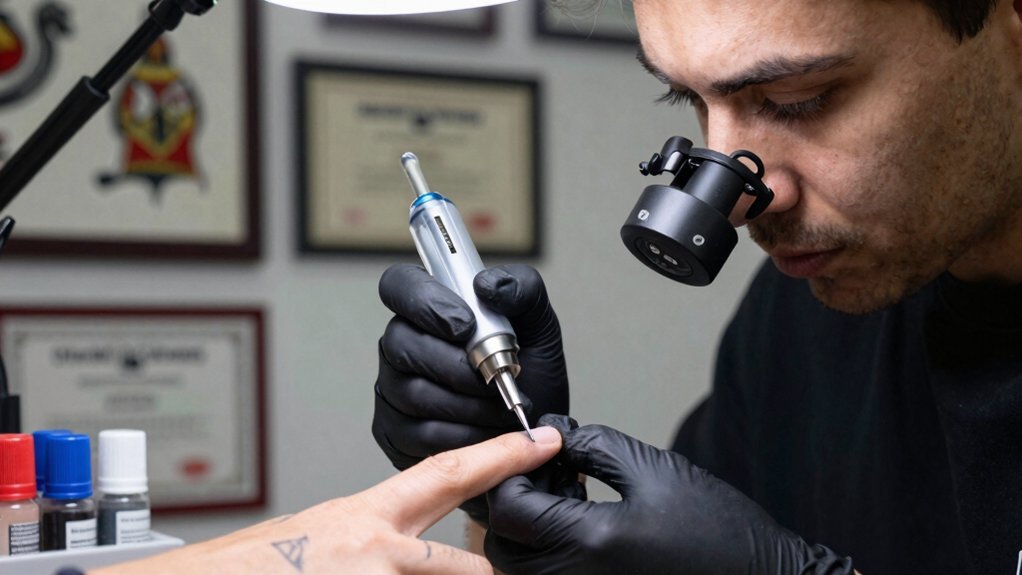
Why does a finger tattoo cost what it costs? You’re paying for specialized skill. Your artist masters difficult skin that rejects ink unevenly. They’ve practiced countless hours to hit that sweet spot—deep enough to hold, shallow enough to heal.
You’re buying design expertise too. Fingers demand bold, simple lines that won’t blur together. Your artist shrinks complex ideas into tiny spaces without losing clarity.
Location drives price as well. Studios in major cities charge more than rural shops. High-rent districts pass costs to you. Experienced artists command rates newcomers can’t touch.
You get what you pay for: steady hands, tested techniques, and placements that age better than bargain work. Skip the discount hunt. Your fingers deserve someone who’s earned their price.
Recommended Products

Phomemo Tattoo Transfer Paper kit - Paper size: 8.27 in x 11.69 in (210 x 297 mm), Quantity: 1 Box, 100 Sheets in the box, Color: Blue. Phomemo Tattoo Transfer Paper is ideal for tattoo enthusiasts, artists and professional tattoo artists, offering reliability and consistency in tattoo stencil creation

Precision Transfers & Long Lasting: Tattoo stencil paper delivers vibrant, high-definition transfers even for intricate designs. Creates crisp, dark lines that transfer cleanly to skin (clearly on different skin tones) which are easy to follow during tattooing. The carbon layer made from high-quality dyes ensures sharp outlines without smudging or fading and maintains crisp lines visibility throughout long tattoo sessions, so you can focus on creating art instead of re-drawing lines
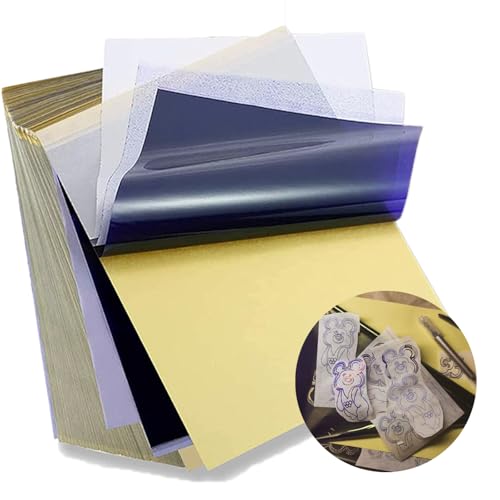
Standard size: Tattoo Transfer Paper is standard A4 paper size, each measures 8.27 in X 11.69 in. There are 4 levels in total. The thickness of the paper is very light and smooth to the touch.
The Real Reason Finger Tattoos Fade So Fast
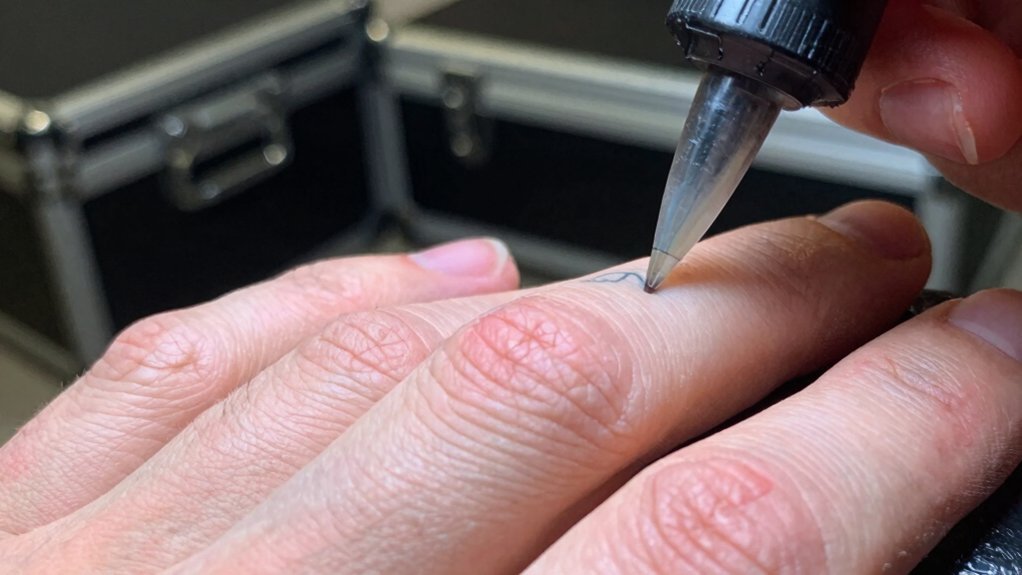
How quickly does that fresh ink disappear? You’ll notice fading within months, not years.
Your fingers work constantly. You wash them, grip objects, and expose them to sun daily. This friction and UV exposure break down ink particles faster than anywhere else on your body.
Your finger skin differs, too. It’s thinner with more keratin, and it regenerates rapidly. Tattoo needles struggle to deposit ink deeply enough here. When they don’t, your immune system flushes the pigment away quickly.
Oil glands barely exist on fingers, so the skin lacks natural protection. Every handshake and keystroke accelerates wear.
You can’t stop this process. Even perfect technique fades because you’re asking ink to survive in the most abused skin you own.
Recommended Products

[Premium Food-grade Silicone] Crafted from high-quality food-grade silicone, these tattoo machine grip covers feature an inner diameter of 32mm, outer diameter of 54mm, and height of 42mm. Weight is 48.5g

Vibrant Preservation - Infused with the power of Chamomile Extract and Aloe Vera Extract, our tattoo wipes are designed to nurture your skin while keeping your tattoo vibrant and fresh. A natural moisturizer, aloe vera soothes the skin, promoting faster recovery and preventing dryness.

Package includes: This Kit includes tattoo pen, tattoo ink caps with base, transfer paper, 7color 1/6 oz tattoo ink, tattoo needles, tattoo needle nipples, pair of disposable gloves, tattoo grip cover wrap, blank tattoo practice skin, Tattoo Table Covers
How Often You’ll Need Touch-Ups (and What They Cost)
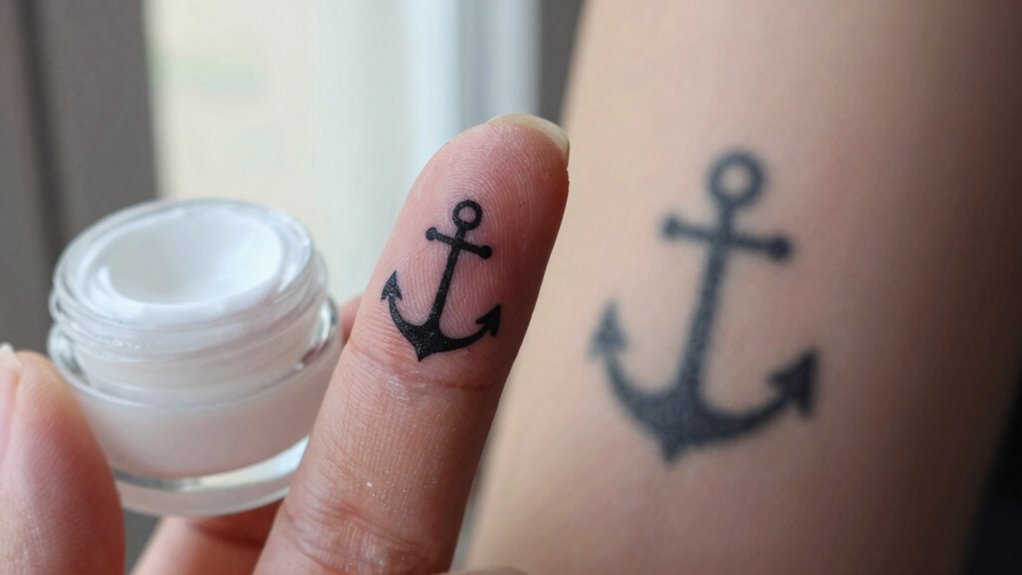
Since finger tattoos fade faster than ink anywhere else, you’ll find yourself back in the chair sooner than you expect. Most artists recommend touch-ups every six to twelve months. Some require annual maintenance forever. You’ll pay attention to how your skin holds pigment. Darker colors last longer, while lighter shades disappear within weeks.
Touch-ups typically cost half your original price or less. Expect $50-$100 per session depending on detail and artist reputation. Some shops include first touch-ups in your initial fee, but you’ll confirm this beforehand. You’ll budget for ongoing maintenance because skipping sessions lets lines blur and colors dull. Over five years, you’ll spend more on preservation than the original tattoo cost. Factor this reality into your decision before you commit.
Recommended Products

ENHANCE & MAINTAIN YOUR INK - This ultra-nourishing balm instantly enhances ink vibrancy as it forms a protective barrier on skin to help moisturize and soothe skin.

STICK APPLICATION, ZERO MESS: Twist up the tattoo balm stick, swipe directly over the tattoo, and blend as needed. No jar to open, no fingers scooping product, and no need to carry a separate applicator. The solid stick format is easy to keep in a bag, bathroom cabinet or travel kit, making care simple at home or on the go. It gives you controlled application exactly where you want moisture, with less mess than traditional balm jars. Great for quick touch-ups whenever tattooed skin feels like it needs extra care, at home, after work or while traveling.

Nourishes Healing Ink for Vibrant Color: Tattoo Goo supports healing tattoos & maintains vibrancy on healed ink with a lightweight formula rich in olive oil, lavender oil, cocoa butter, and beeswax. It absorbs quickly, moisturizes deeply, and helps reduce dryness, itch and tightness so your tattoo looks and feels comfortable through everyday routines
What Cheap Finger Tattoos Actually Cost You
Where exactly do you think that bargain price comes from? You sacrifice sterility, skill, and safety when you chase the lowest bid.
You risk contaminated needles, diluted inks, and permanent scarring. Infections send you to urgent care. Blowouts blur your lines. The artist rushes through your session, and you leave with crooked symbols you’ll wear forever.
You pay twice when you need cover-ups. Cheap work never stays, so you’re booking laser removal or reconstruction sessions that cost triple your original “savings.”
Your finger swells with regret. Scar tissue builds. Reputable artists now refuse to fix another shop’s disaster—or they charge premium rates for the repair.
You’ve saved nothing. You’ve marked yourself with amateur work that announces its cheapness every time you gesture. Bargain hunting leaves the most expensive tattoo you’ll ever own.
Recommended Products

[ Natural Ingredients ] — Our all-natural after tattoo care butter is petroleum and paraben free. Bela tattoo post care is made from only the finest ingredients, including Shea Butter, Olive Oil, Panthenol, Tocopherol, Grape Seed Oil, Lavender Oil, Aloe Vera Extract, Coconut Oil, Camellia Japonica Seed Oil, Bisabolol, and Sunflower Oil. Great tattoo aftercare ointment.

QUICK HEALING:A&D ointment gel is rich in essential vitamins A and D,which is very important for aftercare microblading ,effectively helping to remove burns,cuts,surgical marks and the impact of marks on beauty

FROM THE LEADER IN TATTOO AFTERCARE: For years now, Mad Rabbit has consistently ranked among the most popular and highest-rated tattoo products on the market. We’ve created a top-of-the-line Tattoo Glide to help professional tattoo artists do their best work.
How to Budget for Finger Tattoo Touch-Ups
Why do finger tattoos fade faster than work on other parts of your body? Your hands encounter constant friction, sun exposure, and washing, which break down ink particles rapidly. You must plan for this reality when budgeting for your finger tattoo.
Set aside touch-up funds from the start. Most artists charge $50-$150 per session, and you’ll likely need one within six to eighteen months. Ask your artist if they include free touch-ups in their initial price; some do for the first year.
Build a maintenance fund into your total cost. Consider your touch-up budget part of the original investment, not an unexpected expense. You can also extend your tattoo’s life by moisturizing regularly and applying sunscreen daily. This reduces how often you’ll need professional refresh work.
Recommended Products

【50PCS Mixed Tattoo Cartridge Needles Set】Includes 50 individually packaged tattoo cartridge needles in popular configurations: 1203RL, 1205RL, 1207RL tattoo cartridges, 1209RL, 1205RS, 1207RS, 1207M1, 1215M1, 1209RM, 1215RM (5pcs each). Suitable for both lining and shading needles for tattooing.

Cartridge Needles Sizes: 20 pcs tattoo cartridge needles include 3RL 5RL 5RM 7RM, each size has 5pcs. Those tattoo needles can be used for lining and shading, which can assist you with the entire tattoo work

Complete Packaging: 50pcs mixed size tattoo cartridge needles set, includes 5pcs each of 1205RL 1207RL 1209RL 1205RS 1207RS 1209RS 1207RM 1207M1 1215M1 1215RM. The unique design of the needle can store more ink, and the sharp needle thread better completes tattoo activities, suitable for both professional tattoo artists and beginners.
Red Flags That Make a Finger Tattoo a Waste of Money
How can you spot a finger tattoo you’ll regret before the needle even touches your skin? Watch for these warning signs that drain your wallet.
You choose an artist who rushes the consultation or dismisses your questions about finger-specific experience. You pick intricate designs with fine lines that’ll blur within months. You ignore the shop’s hygiene standards because the price seems right. You select text or symbols you haven’t researched, risking embarrassing mistakes. You book during a vacation impulse without considering long-term commitment.
You accept a quote significantly below market rate without questioning why. You skip the aftercare discussion entirely. You let friends pressure you into matching tattoos you’ll outgrow.
These mistakes cost you double: first for the bad tattoo, then for removal or cover-up work.
Recommended Products

4-layer Design: The 4-layer design ensures a crisp, clean transfer with sharp lines and fine details. Each layer has a specific function — such as holding the stencil ink, releasing it evenly, and protecting the tattoo paper during storage — which minimizes smudging, prevents distortion, and makes application easier on different skin surfaces.

Warm Tips: The tattoo transfer paper need to work with transfer medias.You will need to purchase the stencil ointment separately. Apply the design made on the master paper. Please pay attention to press the back side of the pattern to the skin for at least 3 seconds

4-layer Design: The 4-layer design ensures a crisp, clean transfer with sharp lines and fine details. Each layer has a specific function — such as holding the stencil ink, releasing it evenly, and protecting the tattoo paper during storage — which minimizes smudging, prevents distortion, and makes application easier on different skin surfaces.
Finding an Artist Who Nails Finger Tattoos
What separates a finger tattoo that stays crisp from one that fades into a messy blur? You’ll find the answer in your artist’s portfolio. Don’t settle for someone who treats finger tattoos as an afterthought. You need an artist who specializes in hands—they’ll understand how ink spreads on thin, mobile skin and adjust their technique accordingly.
You’ll want to examine healed photos, not just fresh work. Ask how they handle blowouts and touch-ups. A skilled artist won’t guarantee perfection forever, but they’ll set realistic expectations.
You’ll pay more for this expertise, typically $150-$300 versus a bargain shop’s $50, but you’re investing in longevity. Research thoroughly, read reviews, and visit shops. You’re trusting someone with your hands—don’t rush this decision.
Recommended Products

【Fully Compatible】EZ cartridge needles compatible with all standard cartridge grips & machines.

Hawink New Tattoo Finger Ledge Cartridge Needle,Exquisite in every step of production,Make your tattoo work exceptionally smooth and joyful.

✅ Made of 316 medical grade stainless steel. Each needle is inspected and examined three times under a microscope, ensuring superior quality for professional tattoo artists.
Conclusion
You’ll spend $50–$150 upfront, but finger tattoos demand more than that initial price. You’re paying for specialized skill, battling faster fading, and budgeting for touch-ups every 6–12 months. Cheap work costs you more long-term. Research thoroughly, choose an experienced artist, and plan for ongoing maintenance. Do it right, and your finger ink stays sharp; cut corners, and you’re stuck with blurred lines and wasted money.