
You want your new tattoo to heal quickly, but you might be surprised to learn that the choices you make in the first two days determine everything that follows. Most people believe they’re helping when they slather on extra ointment, yet that very habit could add days to your recovery. There’s a delicate balance between too much care and not enough, and finding it starts with understanding what your skin actually needs right now.
Key Takeaways
- Keep the tattoo clean but not overwashed during the critical first 48-hour inflammatory window.
- Apply thin layers of fragrance-free moisturizer three to four times daily to prevent tightness.
- Avoid picking scabs, soaking in water, and using petroleum-based products that clog pores.
- Sleep on clean sheets with loose, breathable clothing to minimize friction and bacteria exposure.
- Contact your artist immediately if redness spreads, yellow crust forms, or pain spikes after one week.
Recommended Products

FRAGRANCE FREE TATTOO AFTERCARE FOR SENSITIVE SKIN - The same #1 artist recommended Hustle Butter formula, now with no added fragrance, dyes, or parabens. The unscented tattoo lotion of choice for sensitive or easily irritated skin.

BOOSTS COLOR + VIBRANCY: Daily-use tattoo stick designed to enhance contrast, depth, and color so your ink looks bold, defined, and well maintained.

FRAGRANCE FREE TATTOO AFTERCARE FOR SENSITIVE SKIN - The same #1 artist recommended Hustle Butter formula, now with no added fragrance, dyes, or parabens. The unscented tattoo lotion of choice for sensitive or easily irritated skin.
Why Healing Speed Depends on These First 48 Hours
Why do some tattoos heal flawlessly while others struggle? You’ve got roughly 48 hours after leaving the shop to set the trajectory. During this window, your skin launches its inflammatory response, sending plasma and ink particles toward the surface. What you do now determines how efficiently your dermis rebuilds.
You can’t skip the fundamentals. Keep that fresh piece clean, but don’t overwash. You’re managing an open wound—friction, bacteria, and excess moisture sabotage recovery before you’ve even noticed. Your artist’s bandaging instructions exist for this critical period, not as suggestions.
You’ve also got to consider placement. Areas where skin stretches or rubs against clothing heal slower. Sleep smart, avoid submerging the tattoo, and let your immune system work without interference. Those first two days establish whether you’ll face complications or cruise toward a vibrant, settled piece.
Recommended Products

STICK APPLICATION, ZERO MESS: Twist up the tattoo balm stick, swipe directly over the tattoo, and blend as needed. No jar to open, no fingers scooping product, and no need to carry a separate applicator. The solid stick format is easy to keep in a bag, bathroom cabinet or travel kit, making care simple at home or on the go. It gives you controlled application exactly where you want moisture, with less mess than traditional balm jars. Great for quick touch-ups whenever tattooed skin feels like it needs extra care, at home, after work or while traveling.

HYALURONIC ACID CREAM HYDRATES & VISIBLY PLUMPS DRY SKIN – This body cream provides hydration to visibly plump and smooth skin. It locks in essential moisture, leaving skin looking refreshed, supple, and rejuvenated. Formulated by cosmetic chemists for women and men looking to add in extra hydration to their skincare routine.

💧 5 Types of Hyaluronic Acid – A multi-molecular hydration system that delivers moisture deep into the skin for long-lasting hydration.
Moisturize Right: Frequency, Products, and Early Warning Signs
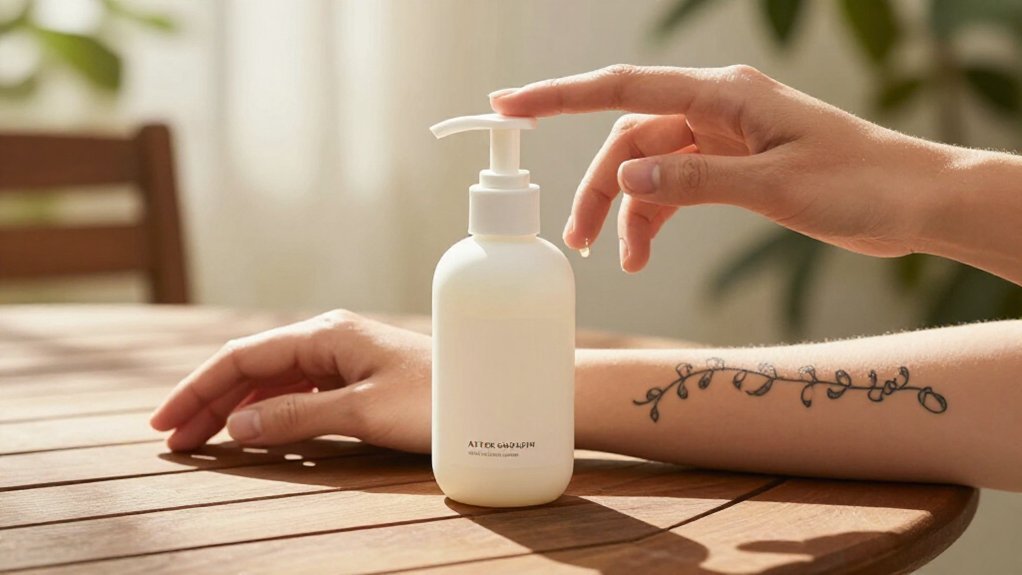
The right moisture balance makes or breaks your healing timeline. You need to apply a thin layer of moisturizer three to four times daily, or whenever your skin feels tight. Don’t overdo it—suffocating your tattoo slows recovery.
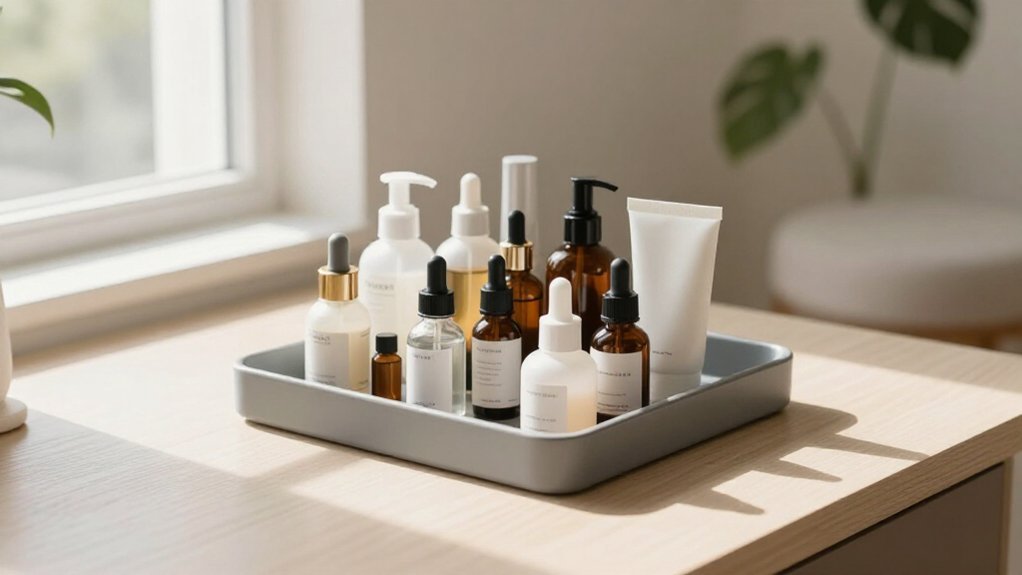
Choose fragrance-free, dye-free lotions or specialized tattoo balms. Avoid petroleum-based products that clog pores and trap bacteria. Look for ingredients like shea butter, coconut oil, or hyaluronic acid that support skin repair without irritation.
Watch for warning signs that signal trouble. Excessive redness, warmth, or yellow discharge means you’ve over-moisturized or introduced infection. Raised, bumpy skin indicates product sensitivity—switch formulas immediately. If your tattoo develops a thick, glossy film, you’re applying too much product. Scale back and let your skin breathe between applications.
Recommended Products

TATTOO AFTERCARE LOTION: After Inked Tattoo Lotion brings hydration and nourishment to your tattooed skin. Formulated with grape seed oil, which helps maintain vibrant ink colors while pacifying the skin and promoting moisture retention.

COMPLETE AFTERCARE KIT FOR NEW & EXISTING TATTOOS: This Tattoo Aftercare Kit brings together 3 essentials, Antimicrobial Soap, Tattoo Balm, and Tattoo Lotion, to help cleanse, protect, and moisturize fresh ink. Useful after tattoo sessions and throughout healing, it supports vibrant color and skin comfort for dedicated ink enthusiasts and artists

ENHANCE & MAINTAIN YOUR INK - This ultra-nourishing balm instantly enhances ink vibrancy as it forms a protective barrier on skin to help moisturize and soothe skin.
Mistakes That Slow Healing (And How to Dodge Them)
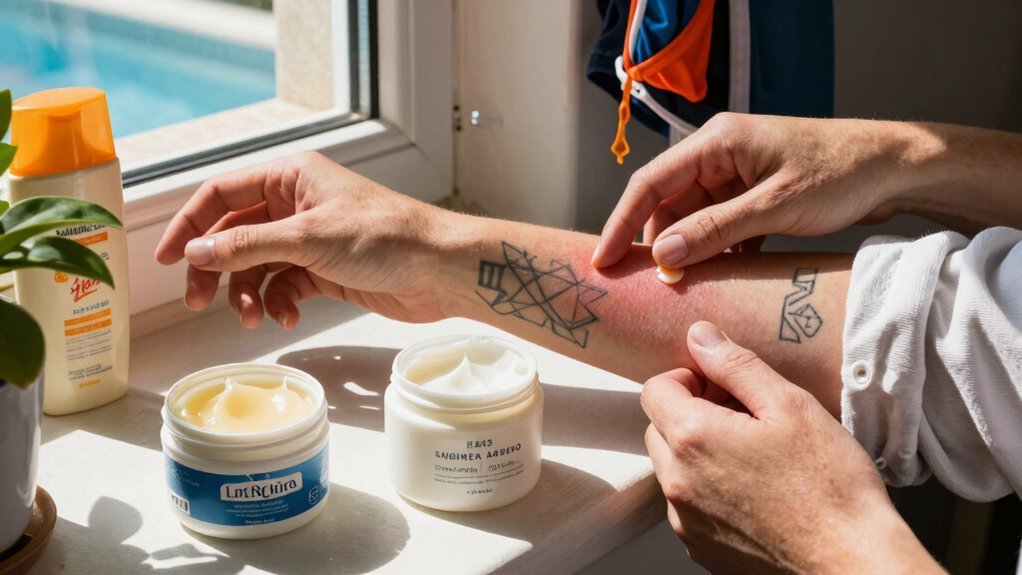
So what trips up most people during tattoo healing? You pick at scabs, thinking you’re speeding things along, but you’re actually ripping out ink and creating scars. You skip washing sessions, letting bacteria build up. You soak in baths or pools, drowning your fresh tattoo in contaminated water. You over-moisturize, suffocating the skin and causing breakouts. You expose healing ink to direct sunlight, blistering and fading the design. You wear tight clothing that rubs and irritates. You ignore signs of infection, hoping problems resolve themselves.
Dodge these pitfalls: keep your hands off, wash gently twice daily, stick to quick showers, apply thin lotion layers, stay shaded, wear loose breathable fabrics, and seek medical help when redness spreads or pus appears. Your vigilance determines your tattoo’s fate.
Recommended Products

Widely Used: Our tattoo film has grid lines on the backing paper, which can be cut into different sizes according to requirements. The size of the film is 6 inches x 8 yards, including 3 layers, namely PET backing, PU film and release paper. Soft and stretchable, which makes it fit perfectly anywhere in the body
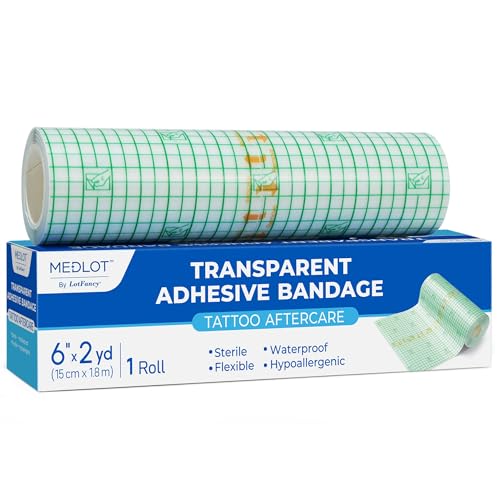
SAFE, SEALED & STERILE: This tattoo aftercare wrap is made with a premium PU film and medical-grade, hypoallergenic, pressure-sensitive adhesive; It’s latex-free, individually sealed and sterile, providing a safe barrier for tattoo and wound care use; FSA HSA Eligible

Transparent Matte Film Protection - This breathable tattoo bandage is a must-have in your tattoo supplies, offering latex-free protection that supports gentle healing for new ink.
Your Day-by-Day Healing Checklist
Wondering what exactly your tattoo needs from morning to night?
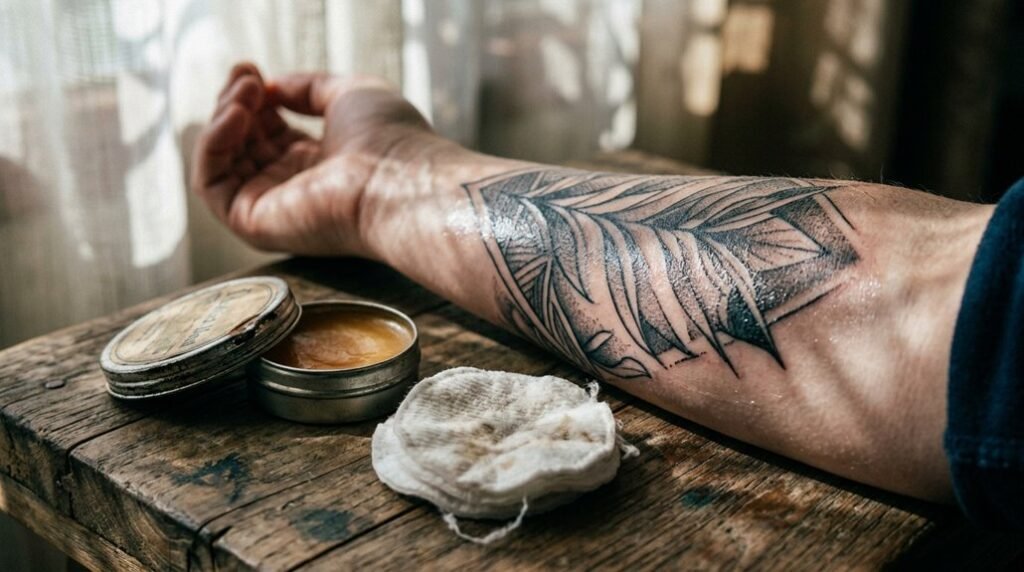
You’ll wash it gently with fragrance-free soap twice daily, pat dry with a clean paper towel, and apply a thin layer of recommended ointment.
You won’t pick scabs, scratch, or submerge it in water.
You’ll sleep on clean sheets and wear loose, breathable clothing that won’t stick to the ink.
You’ll keep it out of direct sunlight and avoid gyms, pools, and saunas entirely.
You’ll monitor for normal peeling and flaking without panicking.
You’ll switch from ointment to unscented lotion when scabbing subsides.
You’ll stay hydrated, eat nutritious foods, and get adequate rest to support your immune system.
You’ll follow your artist’s specific instructions over generic advice every time.
Recommended Products

Protect Your Body Art: Moisturizing with the bonus of itch relief! Tattoo Goo's Tattoo Care Lotion soothes healing skin & keeps healed ink looking sharp for life. With olive oil & glycerin, it delivers deep, breathable hydration that won’t clog pores

TATTOO AFTERCARE ESSENTIAL: Hustle Butter is the original tattoo aftercare balm for new and older tattoos. With over 10 years in the market, we are a pioneer of the tattoo aftercare category.
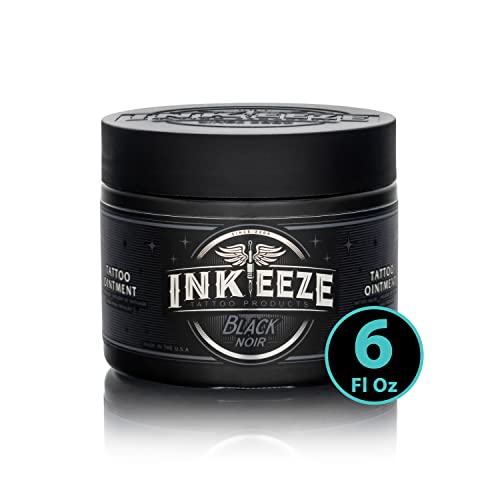
TATTOO OINTMENT- Inkeeze Black Tattoo Ointment is a Non-Petroleum based ointment infused with essential oils. The formula was specifically developed by tattooers and skin care specialists for use as a lubricant during the tattoo process and collectors to use as an aftercare. A little goes a long way
When to Speed Up Care and When to Call Your Artist
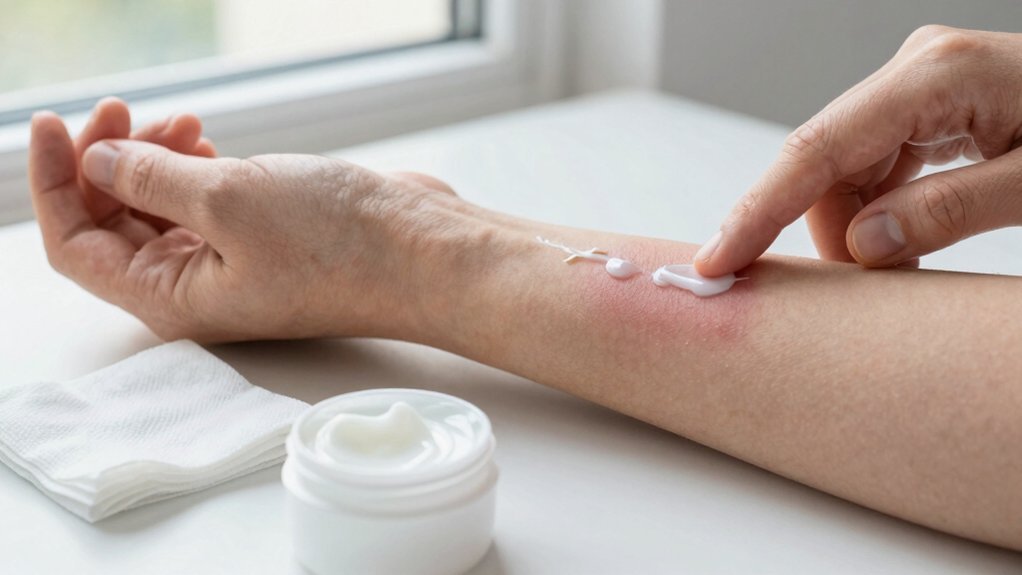
How quickly should you ramp things up if your tattoo still looks angry after a week? You intensify care immediately. Switch to a fragrance-free moisturizer, increase washing to three times daily, and sleep with clean sheets. You monitor closely for the next forty-eight hours.
You call your artist when redness spreads, yellow crust forms, or pain spikes sharply. You don’t wait for fever. You photograph the area and send it the same day. Your artist knows their ink and technique; they’ll spot trouble faster than general advice covers.
You distinguish normal peeling from warning signs. Flaking skin itches; infected skin burns. You trust your gut when something feels off. You speed up care for stubborn healing, but you escalate to your artist when symptoms suggest infection or allergic reaction.
Recommended Products

NATURAL AND UNSCENTED FORMULA – Saniderm’s Original Tattoo Aftercare Balm is made using natural ingredients like beeswax, shea nut butter, and sea buckthorn oil. Unlike other common ointments and tattoo balms, Saniderm’s fragrance-free Tattoo Aftercare Balm is also petroleum-free so it won’t suffocate the skin while your tattoo heals.

Nourishes Healing Ink for Vibrant Color: Tattoo Goo supports healing tattoos & maintains vibrancy on healed ink with a lightweight formula rich in olive oil, lavender oil, cocoa butter, and beeswax. It absorbs quickly, moisturizes deeply, and helps reduce dryness, itch and tightness so your tattoo looks and feels comfortable through everyday routines

BRIGHTEN OLD TATTOOS: Our cream works on any area that you’ve had a tattoo. It not only moisturizes to make the skin there happy and calm, it also brightens up older tattooed areas.
Conclusion
You’ll heal faster when you prioritize those first two days: keep it clean, moisturized just enough, and protected from friction and sun. Skip the common mistakes—overwashing, petroleum products, and picking—and follow your daily checklist. Watch for warning signs, and don’t hesitate to call your artist if something feels off. Your tattoo’s longevity starts with how you care for it now.
Recommended Products

💧 5 Types of Hyaluronic Acid – Penetrates deep into skin layers for intense and multi-level hydration

HYALURONIC ACID CREAM – Hyaluronic Acid is a naturally occurring substance found in our skin that helps to keep it hydrated + plump. As we age, the amount of Hyaluronic Acid in our skin decreases, leading to a loss of firmness + elasticity. Hyaluronic Acid is a humectant, which means it draws water to the skin + helps to keep skin hydrated to prevent dryness + flakiness. Hyaluronic Acid can also help to improve skin texture and tone, giving you a more radiant & youthful complexion.

💧 HYDRATION: 9% Panthenol with Hyaluronic Acid - Immediately soothes irritated skin, intensive moisturizing for dehydrated, sensitive skin. Ideal for daily hydration and skin recovery. Suitable for all skin types, including sensitive. Has a healing, cooling moisturizing effect on the skin after sun exposure.