
You’ve just left the studio with fresh ink, and what you do next will determine how vibrant your tattoo looks for decades. The first 48 hours are critical, but the mistakes people make during healing are surprisingly common—and often invisible until it’s too late. Your artist gave you bandage instructions, yet you’re already wondering if you’re doing this right. Stick around; the details ahead could save your artwork.
Key Takeaways
- Remove the bandage within 2-6 hours and wash hands thoroughly before peeling it off slowly.
- Clean the tattoo 2-3 times daily with lukewarm water and fragrance-free antibacterial soap only.
- Apply a thin layer of specialized ointment first, then switch to fragrance-free lotion after three days.
- Moisturize 3-6 times daily and avoid soaking, swimming, or direct sun exposure during healing.
- Sleep on clean sheets with breathable fabric covering, and watch for infection signs like expanding redness or pus.
Recommended Products

Gentle, Deep Cleansing: Tattoo Goo Foaming Cleansing Soap for tattoos and piercings helps remove impurities and clean the inked or pierced areas at a deep level by removing dirt, dead skin cells, and killing germs without damaging the skin

GENTLY CLEANSES NEW TATTOOS - Use Repair Tattoo Wash during the healing process to keep your fresh tattoo ink clean or as a perfect prep wash before and after tattooing.

PERFECT FOR THE TATTOO ARTIST AND COLLECTOR – Whoever you are, you want to make your tattoo aftercare experience convenient and effortless. This soap ensures the tattoo always leaves the shop or house sanitized and moisturized.
When to Remove Your New Tattoo’s Bandage
How soon should you peel off that protective covering? You’ll typically remove the bandage within 2-6 hours, though some artists recommend keeping it on overnight. Check your artist’s specific instructions first.
You shouldn’t rush this step. The covering protects your fresh tattoo from bacteria and prevents clothing from sticking to the wound. However, you mustn’t leave it on too long either—trapped plasma and ink create a breeding ground for bacteria.
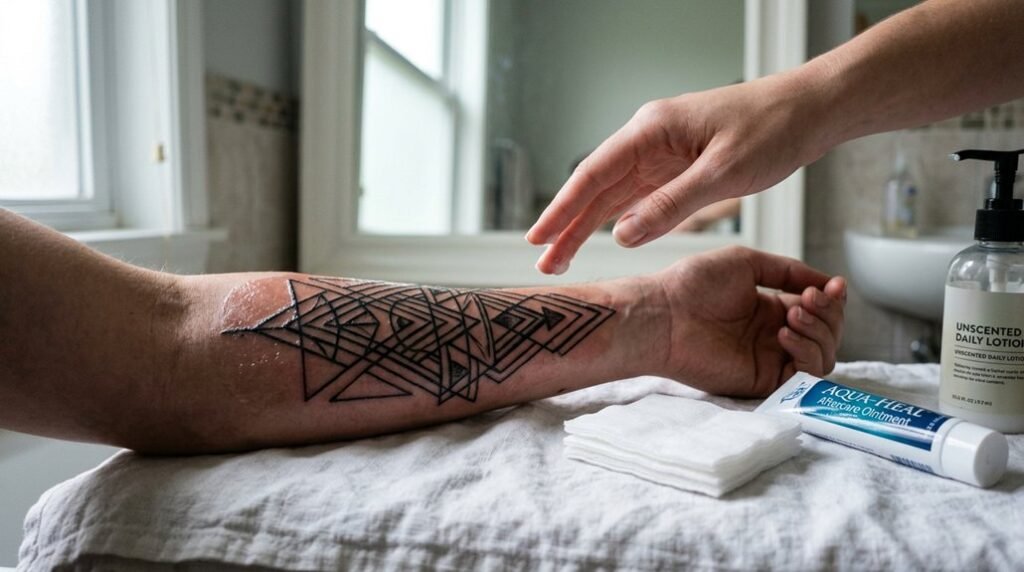
When you’re ready, wash your hands thoroughly first. You don’t want to introduce germs. Peel the bandage slowly, working from one corner. If it’s stuck, don’t yank; dampen it with warm water to loosen the adhesive. You’ll likely see plasma, ink, and perhaps some blood—that’s normal. Dispose of the bandage immediately.
Recommended Products

TATTOO AFTERCARE ESSENTIAL: Hustle Butter is the original tattoo aftercare balm for new and older tattoos. With over 10 years in the market, we are a pioneer of the tattoo aftercare category.

TATTOO AFTERCARE ESSENTIAL: Hustle Butter is the original tattoo aftercare balm for new and older tattoos. With over 10 years in the market, we are a pioneer of the tattoo aftercare category.

FROM THE LEADER IN TATTOO AFTERCARE: For years now, Mad Rabbit has consistently ranked among the most popular and highest-rated tattoo products on the market. We’ve created a top-of-the-line Tattoo Glide to help professional tattoo artists do their best work.
Wash Your New Tattoo Without Damaging It
What’s the right way to cleanse your fresh ink without ruining it? You’ll want to wash your tattoo two to three times daily during the first two weeks. Start by wetting the area with lukewarm water—never hot, as heat opens pores and pushes out ink. Apply a fragrance-free, antibacterial soap using your fingertips only. Don’t scrub with washcloths or loofahs; they harbor bacteria and abrade healing skin. Gently work the soap in circular motions, then rinse thoroughly. Pat the tattoo dry with a clean paper towel. Don’t rub, and don’t reuse towels. Let the skin air dry for several minutes before covering it. You’ll know you’ve washed correctly when the surface feels clean but not tight or irritated. Skip soaking in baths or pools entirely during healing.
Recommended Products

16-fluid ounce bottle of Lubriderm Fragrance Free Daily Moisture Lotion + Pro-Ceramide, Shea Butter and Glycerin to help restore skin's moisture barrier for healthier-looking skin

Protect Your Body Art: Moisturizing with the bonus of itch relief! Tattoo Goo's Tattoo Care Lotion soothes healing skin & keeps healed ink looking sharp for life. With olive oil & glycerin, it delivers deep, breathable hydration that won’t clog pores

TATTOO AFTERCARE LOTION: After Inked Tattoo Lotion brings hydration and nourishment to your tattooed skin. Formulated with grape seed oil, which helps maintain vibrant ink colors while pacifying the skin and promoting moisture retention.
Best Ointments and Moisturizers for New Tattoos
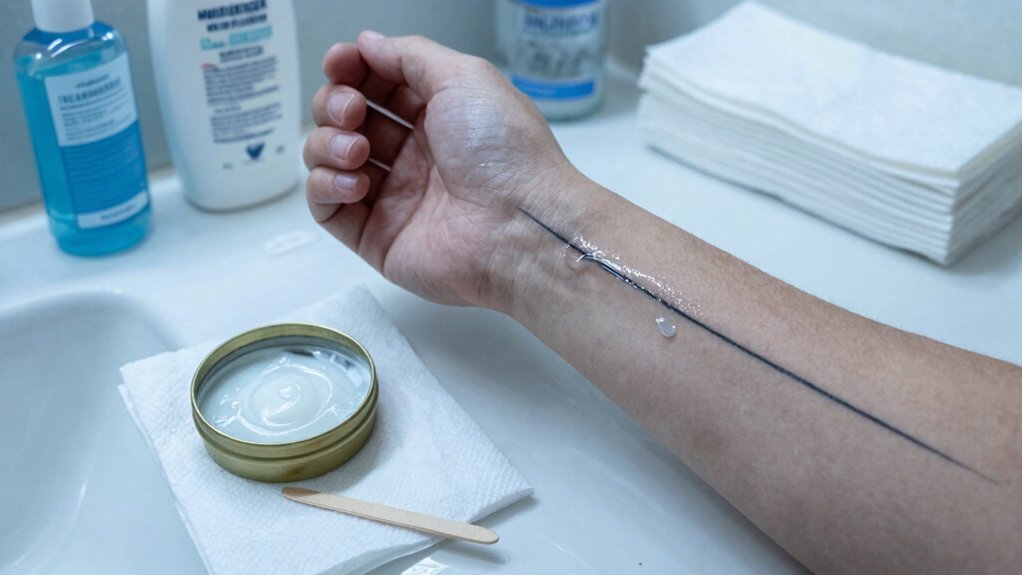
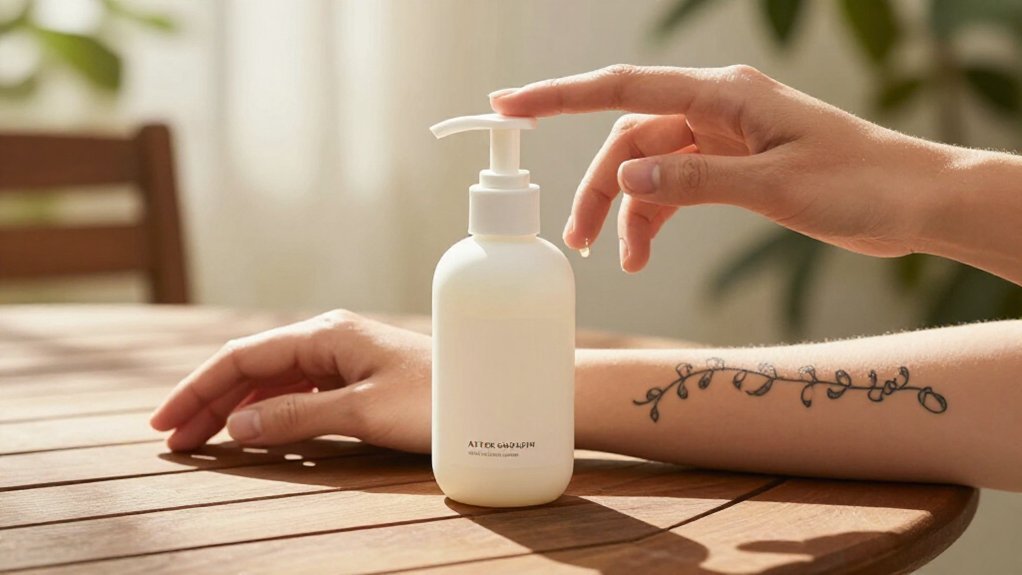
Once you’ve patted your tattoo dry, you’ll need to keep it hydrated without smothering the skin. You’ll want to use a thin layer of a specialized aftercare product recommended by your artist.
You’ll find petroleum-based ointments like Aquaphor or Bacitracin work well for the first few days. You’ll apply these sparingly, as too much will clog your pores and slow healing.
You’ll switch to a fragrance-free, dye-free lotion after about three days. You’ll look for brands like Lubriderm, Cetaphil, or Aveeno. You’ll avoid petroleum jelly long-term, as it can draw out ink.
You’ll never use sunscreen, alcohol-based products, or heavy butters like cocoa butter on fresh tattoos. You’ll read labels carefully and stock up before your appointment. You’ll thank yourself when your healing proceeds smoothly.
Recommended Products

Transparent Matte Film Protection - This breathable tattoo bandage is a must-have in your tattoo supplies, offering latex-free protection that supports gentle healing for new ink.
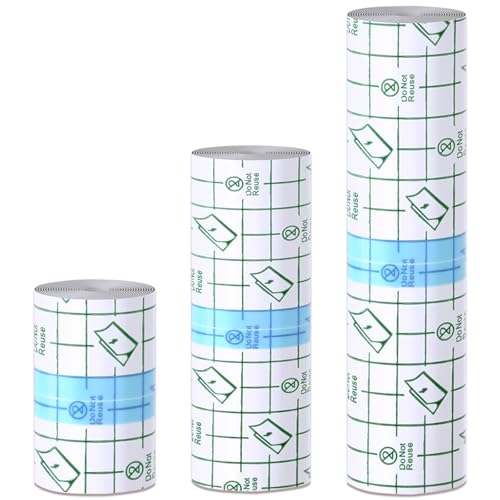
Triple-Size Value Pack for Every Tattoo Style - Get 3 full rolls of premium second skin tattoo cover (2" x 2.2 Yd, 4" x 2.2 Yd, 6" x 2.2 Yd) - sized for wrist art, back pieces, or sleeve designs. The tattoo aftercare bandage can be cut freely to match any ink!

Widely Used: Our tattoo film has grid lines on the backing paper, which can be cut into different sizes according to requirements. The size of the film is 6 inches x 8 yards, including 3 layers, namely PET backing, PU film and release paper. Soft and stretchable, which makes it fit perfectly anywhere in the body
How Often to Moisturize Your Healing Tattoo
Finding the right balance matters more than you’d think—moisturize too little and you’ll face cracking and scabbing; too much and you’ll trap bacteria against raw skin.
You’ll want to apply a thin layer of moisturizer three to six times daily during the first week. Wash your hands first, then gently smooth the product across the tattoo until it absorbs. Your skin shouldn’t feel slick or greasy; blot excess with a clean paper towel if needed.
As the tattoo enters days five through fourteen, you’ll notice peeling and itching. Keep up the routine, but let your skin guide you. If it feels tight, moisturize. If it feels damp or looks glossy, you’ve overdone it.
Recommended Products

✡Various Purpose - Care for all types of wounds; Waterproof cover; Fixed dressing; Tattoo aftercare. It can help lock in the color, protect your tattooed skin, and reduce scabbing when you wash or moisturize your tattoo, quickly form a protective film then accelerate your recovery

RELIABLE PROTECTION: Hion transparent adhesive bandage shields your skin from dust, dirt, germs and bacteria, as well as friction or scrubbing. It is good to protect minor burns, scrapes, cuts, blisters, abrasions and new tattoo in healing. The transparent film dressing allows you to observe healing progress of your wound without having to peel it off.

THE ORIGINAL TATTOO AFTERCARE BANDAGE – Saniderm’s Original Gloss Bandage is the tried-and-true, industry-defining tattoo aftercare bandage. Dermatologist-recommended and trusted by expert tattoo artists worldwide, this medical-grade bandage ensures your tattoo heals quickly, safely, and more vibrantly. With over a decade of experience and millions of tattoos healed, it’s the perfect way to heal your ink.
Shower Safely, Skip the Pool, and Block the Sun
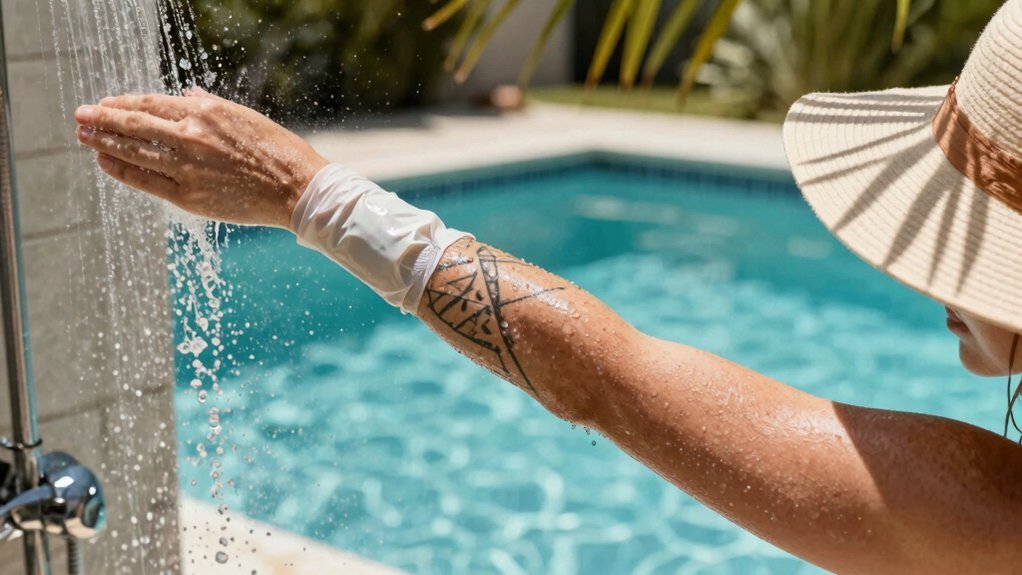
While your tattoo heals, you’ll need to rethink how you handle water and sunlight.
You can shower, but you’ll keep sessions brief and lukewarm. Don’t let the spray blast your fresh ink directly. Afterward, you’ll pat the area dry gently—no rubbing.
Soaking ruins tattoos, so you’ll skip baths, hot tubs, pools, and oceans entirely during healing. Submerging your tattoo invites bacteria and leaches color.
Sunlight poses another threat. You’ll keep your tattoo covered with loose clothing when you step outside.
Once the skin has fully closed, you’ll apply SPF 30 or higher every time you head out. UV rays fade pigment fast, and fresh burns damage sensitive healing tissue.
You’ll protect your investment by staying shaded and reapplying sunscreen religiously throughout the day.
Recommended Products

Gentle Formula: Dial up your handwashing routine with this antibacterial hand soap that kills more than 99.99% of bacteria* and creates a luxurious lather. Dial foaming hand soap cleanses deep while being gentle on skin. *Encountered in household settings

GREAT FOR NEW TATTOOS - H2Ocean Blue Green Foam Soap cleanses skin on and around new tattoos and the addition of aloe vera aids the healing process.

CONVENIENT SET: This Dial Liquid Hand Soap Set includes a 7.5 fl oz Hand Soap Pump Bottle and a 52 fl oz Hand Soap Refill, ensuring long-lasting freshness and convenience.
Sleep Without Sticking to Your Sheets
Your nights need just as much attention as your days. You’ll want to protect your fresh tattoo from sticking to your sheets while you sleep.
Before bed, apply a thin layer of your recommended ointment. Don’t overdo it—excess ointment creates more sticking, not less. Cover your tattoo with clean, breathable fabric like a cotton bandage or loose clothing. Avoid plastic wrap; it traps moisture and bacteria.
Sleep on clean sheets, preferably light-colored ones in case of ink or plasma transfer. Position yourself so the tattooed area doesn’t press against bedding. If your tattoo’s on your back, sleep on your side. If it’s on your arm, keep that limb elevated on a pillow.
In the morning, don’t rip fabric away if it’s stuck. Dampen the area with warm water and gently peel it loose.
Recommended Products

SOOTHES & MOISTURIZES NEW TATTOOS: Deeply hydrating tattoo aftercare balm that supports the skin’s natural recovery process, helps reduce dryness and itchiness, and keeps fresh ink feeling comfortable.
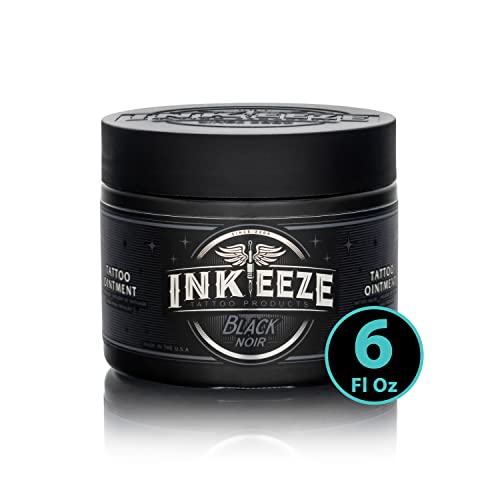
TATTOO OINTMENT- Inkeeze Black Tattoo Ointment is a Non-Petroleum based ointment infused with essential oils. The formula was specifically developed by tattooers and skin care specialists for use as a lubricant during the tattoo process and collectors to use as an aftercare. A little goes a long way

Is It Infected or Just Healing?
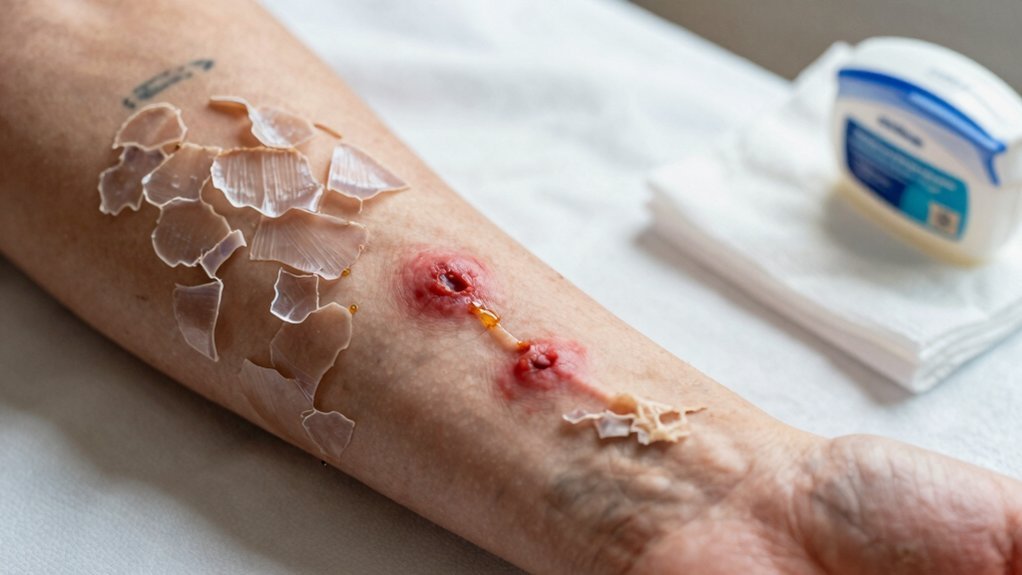
How do you tell if your tattoo is healing normally or developing an infection? You watch for specific warning signs that signal trouble. Normal healing involves mild redness, slight swelling, and clear plasma oozing for the first few days. You’ll notice these symptoms gradually improve.
Infection presents differently. You spot expanding redness, intensifying pain, or warmth that increases rather than subsides. Pus—thick, yellow, or green discharge—indicates bacterial infection. Fever, red streaks radiating from the tattoo, or foul odors demand immediate medical attention.
You distinguish between routine inflammation and infection by tracking progression. Healing improves daily; infection worsens. You don’t ignore symptoms persisting beyond three days or escalating suddenly. When uncertain, you contact your artist or healthcare provider promptly. Early intervention prevents complications and protects your investment. Trust your instincts.
Recommended Products

COMPLETE AFTERCARE KIT FOR NEW & EXISTING TATTOOS: This Tattoo Aftercare Kit brings together 3 essentials, Antimicrobial Soap, Tattoo Balm, and Tattoo Lotion, to help cleanse, protect, and moisturize fresh ink. Useful after tattoo sessions and throughout healing, it supports vibrant color and skin comfort for dedicated ink enthusiasts and artists

NATURAL AND UNSCENTED FORMULA – Saniderm’s Original Tattoo Aftercare Balm is made using natural ingredients like beeswax, shea nut butter, and sea buckthorn oil. Unlike other common ointments and tattoo balms, Saniderm’s fragrance-free Tattoo Aftercare Balm is also petroleum-free so it won’t suffocate the skin while your tattoo heals.

Tattoo Aftercare Daily Lotion: gives your tattoos the everyday care they deserve to keep your artwork looking fresh. Formulated to provide deep hydration and leave skin feeling soft and smooth. Rejuvenates your artwork and moisturizes skin.
Handle Peeling, Itching, and Scabbing
Why does your tattoo suddenly feel like it’s crawling beneath your skin?
You’re experiencing the healing process. Your inked skin repairs itself, triggering itchiness and flaking. You’ll notice thin layers peeling away—this dead skin protects the fresh tattoo beneath. Don’t panic when scabs form; they’re your body’s natural bandage.
Resist scratching. You’ll damage the design and introduce bacteria. Instead, pat the area gently or apply a cool, damp cloth for relief. Keep moisturizing with your artist’s recommended balm, but don’t overdo it—excess lotion traps moisture and breeds problems.
Let scabs fall naturally. Picking them pulls out ink, creating patchy spots. You’ll lose some color, but you won’t lose your mind if you stay patient.
Your tattoo isn’t ruined; it’s simply healing. Trust the process.
Recommended Products

TATTOO BANDAGE SHIELD - The Derm Shield matte adhesive bandage roll measures 8 inches x 2 yards. It can be cut and trimmed to fit any size tattoo.

WHAT IS PAMIOU TATTOO AFTERCARE FILM? - The second skin tattoo cover is design of three-layer: Composed of PU film, PE protective layer and the release paper. It can be used to lock the tattoo ink, protect your tattooed skin.

FLEX VS ORIGINAL BANDAGES – Saniderm’s all-new Flex tattoo aftercare bandages are engineered with a 50% thinner profile than our original gloss bandages while retaining their same trusted adhesive and durability. Ultraflexible and perfect for high-movement areas, Flex delivers exceptional tattoo healing with no compromise on comfort. A matte, non-reflective finish ensures a smooth feel, eliminates glare on new tattoos, and delivers a refined, premium user experience.
Keep Your Tattoo Bright for Years to Come
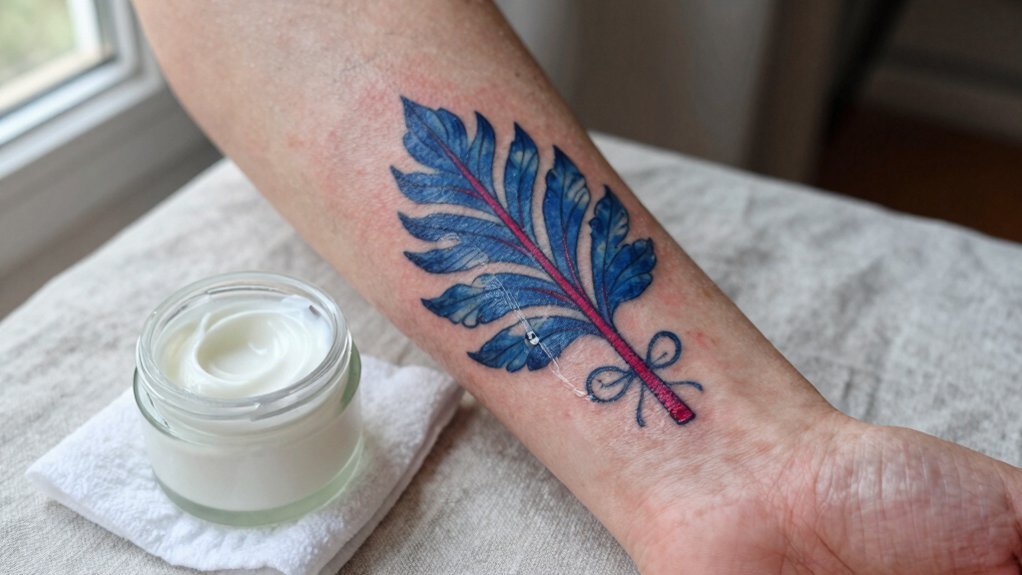
That vibrant ink deserves more than a few weeks of glory. You’ve invested time, money, and pain into your tattoo—now protect that investment for decades.
Apply broad-spectrum SPF 50+ sunscreen every time your tattoo sees daylight. UV rays fade pigment fast, turning bold blacks into dull grays and bright colors into washed-out shadows. Don’t skip this step.
Moisturize daily with fragrance-free lotion to keep skin hydrated and lines crisp. Dry skin ages your tattoo prematurely.
Stay away from tanning beds—they’re tattoo destroyers. If you notice fading, consult a professional artist about touch-ups rather than attempting DIY fixes.
Wear protective clothing during peak sun hours. Your tattoo lives in your skin’s deeper layers, so treat that skin with respect.
These simple habits preserve your artwork’s intensity. Future you’ll thank present you when your ink stays striking years from now.
Recommended Products
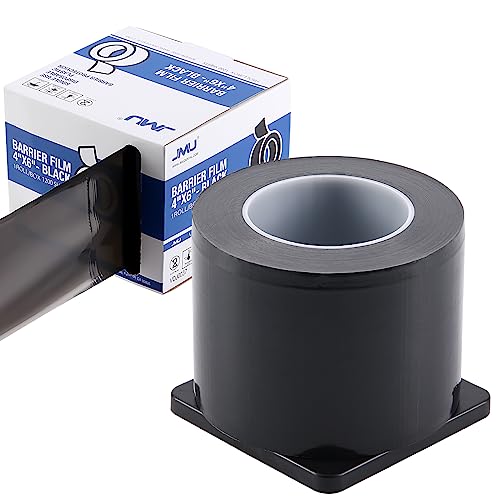
Self-adhesive Backing: Barrier film is featured with self-adhesive backing. JMU barrier film can stick firmly on surfaces of instruments or equipment to provide a protection barrier without residue left

Superior Skin Protection: Creates an invisible, breathable barrier that shields skin from harsh medical adhesives, body fluids, and friction. Perfect for maintaining skin integrity under ostomy wafers and medical tapes.
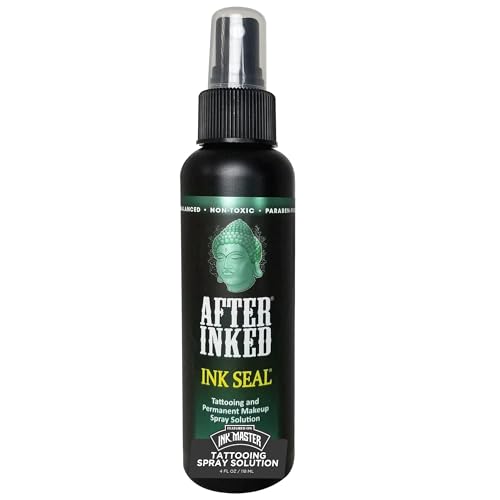
BENEFICIAL CLEANSER: After Inked Ink Seal Spray is a credible and gentle solution for cleaning tattoos and permanent makeup. This formula helps maintain ink clarity, foster hydration, and promotes faster recoup, making it an essential part of the tattooing procedure.
Conclusion
You’ve got everything you need to heal your new tattoo properly. Stick to gentle washing, consistent moisturizing, and protecting it from sun and water. Don’t panic over normal peeling or itching, but stay alert for infection signs. Follow your artist’s advice, trust the process, and you’ll keep that ink looking sharp for years to come. Your tattoo’s worth the effort—treat it right from day one.