

Roughly 70% of new tattoos peel within the first week, yet most people panic when they see flakes falling off fresh ink.
You’re probably wondering if something’s wrong, and that’s completely understandable.
The good news: peeling is usually just your skin doing its job, healing the tiny wounds created by the tattoo needle.
Why Is My Tattoo Peeling? (And Is That Normal?)
How soon after your fresh ink do you notice the skin starting to flake? That question worries many new collectors, but here’s your reassurance: tattoo is peeling, and that’s expected.
Why Peeling Happens
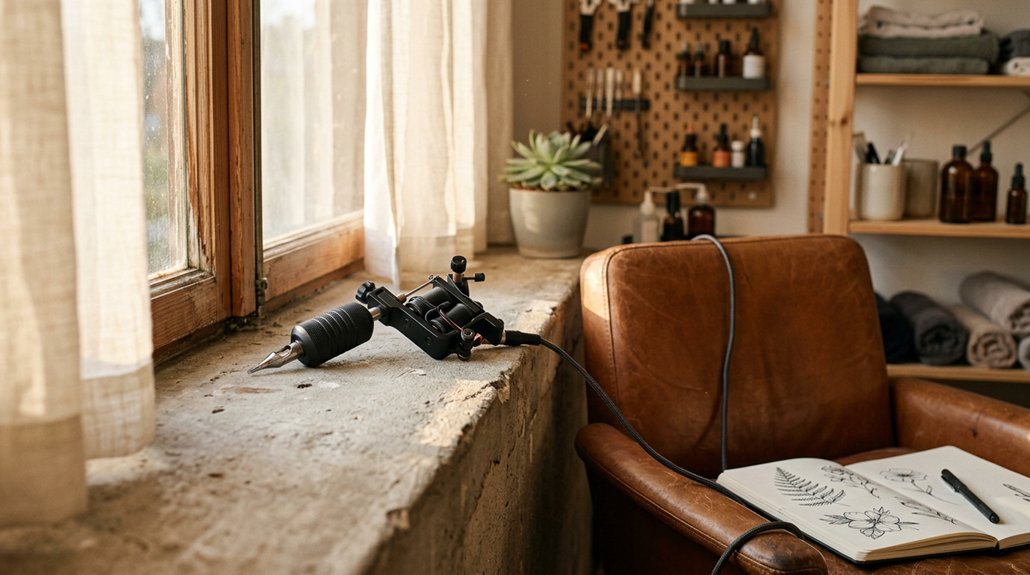
Peeling happens because your tattoo needles create trauma. You’ve got an open wound, so your body triggers repair. During this healing phase, your top layer of skin, the epidermis, sheds dead skin cells. This normal peeling looks like thin, sunburn-like flakes.
The ink stays safe in your dermis below, so don’t panic if your tattoo looks dull temporarily.
Recognizing Problems
Not all flaking is healthy. Watch for worsening redness, heat, thick scabs, pus, or bad odor. These signal infection, not normal peeling. If you spot these red flags, or if you’re unsure about peeling damage versus healthy healing, contact your artist or a healthcare professional promptly.
Follow proper tattoo aftercare to protect your investment.
Recommended Products

Gentle, Deep Cleansing: Tattoo Goo Foaming Cleansing Soap for tattoos and piercings helps remove impurities and clean the inked or pierced areas at a deep level by removing dirt, dead skin cells, and killing germs without damaging the skin

COMPLETE AFTERCARE KIT FOR NEW & EXISTING TATTOOS: This Tattoo Aftercare Kit brings together 3 essentials, Antimicrobial Soap, Tattoo Balm, and Tattoo Lotion, to help cleanse, protect, and moisturize fresh ink. Useful after tattoo sessions and throughout healing, it supports vibrant color and skin comfort for dedicated ink enthusiasts and artists

ESSENTIAL AFTERCARE FOR TATTOOS & PIERCINGS: After Inked Aftercare Foam Cleanser is designed to gently cleanse and remove dirt from tattoos, piercings, and body modifications. It provides an effective yet soothing clean without causing skin irritation or dryness.
When Does Tattoo Peeling Start?
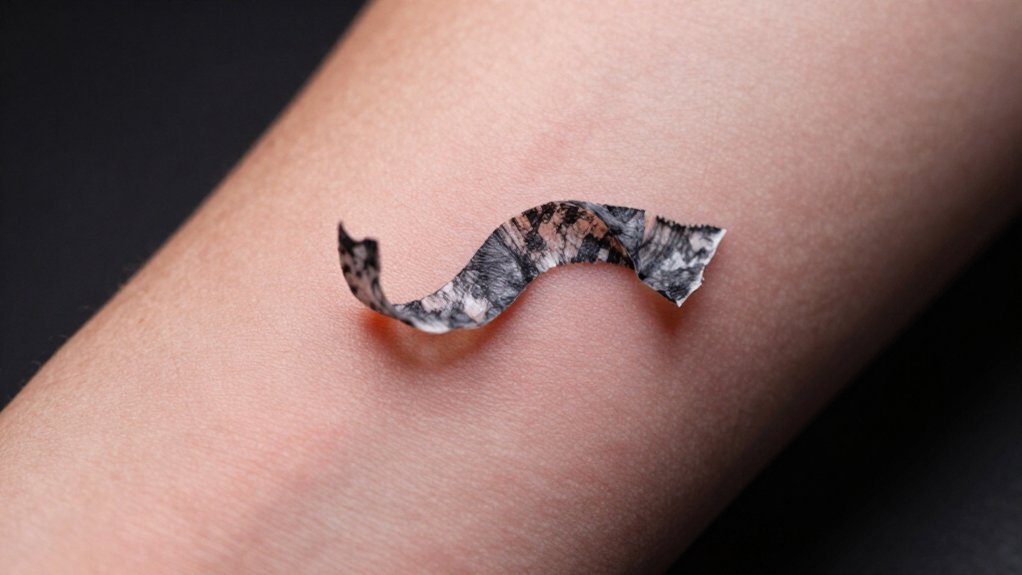
Three to six days after your session, you’ll likely notice your tattoo beginning to peel. This timing marks the shift from weeping and oozing to the peeling stage of your tattoo healing process.
When Tattoo Peeling Typically Begins
Peeling usually starts between day 3 to day 6 as your skin is healing. You’ll see this begin after you remove the first bandages, often within the first week of your aftercare process. Your new ink sits beneath layers of skin that now shed to reveal the skin underneath.
Tattoo peeling begins 3–6 days after your session as healing skin sheds to reveal your ink beneath.
Most people experience peeling for about one week, with flaking often increasing around days 4–7. Some tattoos continue into week two, though intensity decreases dramatically after that point. Healing timelines vary by person and tattoo details, so lighter peeling, or even absence of noticeable flaking, still falls within normal variation. Avoid sun exposure during this delicate phase.
Recommended Products

FRAGRANCE FREE TATTOO AFTERCARE FOR SENSITIVE SKIN - The same #1 artist recommended Hustle Butter formula, now with no added fragrance, dyes, or parabens. The unscented tattoo lotion of choice for sensitive or easily irritated skin.

FRAGRANCE FREE TATTOO AFTERCARE FOR SENSITIVE SKIN - The same #1 artist recommended Hustle Butter formula, now with no added fragrance, dyes, or parabens. The unscented tattoo lotion of choice for sensitive or easily irritated skin.

Protect Your Body Art: Moisturizing with the bonus of itch relief! Tattoo Goo's Tattoo Care Lotion soothes healing skin & keeps healed ink looking sharp for life. With olive oil & glycerin, it delivers deep, breathable hydration that won’t clog pores
What to Do (and Not Do) While Peeling
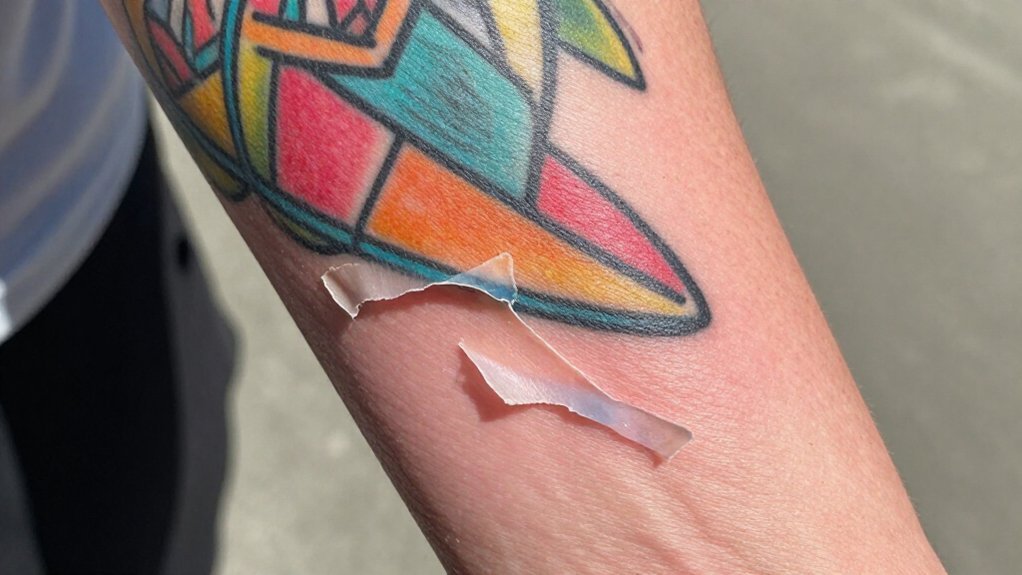
Since your tattoo is entering its peeling phase, you’ll want to ensure your routine adjusts to protect the healing ink beneath.
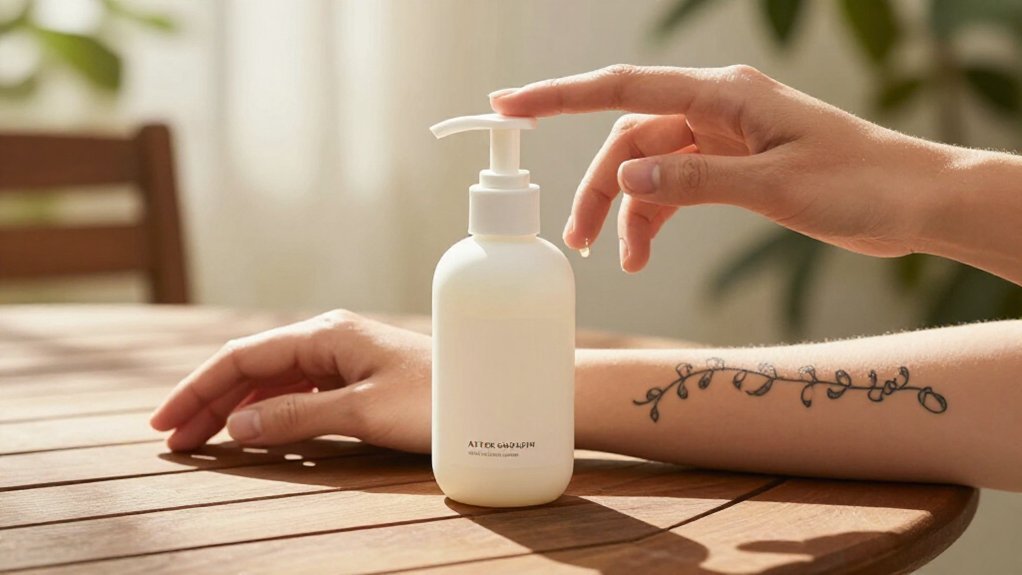
1. Clean gently. Wash your new ink with clean hands and mild cleanser. Pat dry; don’t rub. Moisturize lightly, because drowning the skin interrupts healing.
2. Don’t pick. Peeling skin flakes on its own. Pulling them lifts ink, causing patchy fading and scarring risk.
3. Soothe itch safely. Scratching damages healing skin. Use approved options, like tattoo numbing spray, for relief instead.
4. Avoid soaking and friction. Skip baths, hot tubs, and swimming. Wear loose clothing; tight fabrics rub raw tissue.
5. Keep sun away. UV exposure harms fresh pigment.
Follow these aftercare tips while your tattoo heals. Consistent aftercare protects your investment and ensures even color retention.
Recommended Products

FSA HSA Eligible Over-the-Counter Medication - This topical lidocaine numb spray enhanced with Witch Hazel, 0.25% Phenylephrine HCl, Allantoin, and Vitamin E is clinically proven to temporarily relieve pain, burning, itching, discomfort, swelling, inflammation, and soreness in local and anorectal areas

ANTISEPTIC SPRAY FOR BURN CARE: Kills 99.9% Of germs* (*germs commonly associated with skin infections)

Must have for moms: Many new moms first use Dermoplast Spray in the hospital; the no-touch application and quick pain relief also make it ideal for kids 2 and up; works on sensitive and hard to reach areas
Is Your Peeling Normal: or Infected?
When your tattoo begins shedding its top layer, you’ll naturally wonder whether what you’re seeing matches healthy healing or signals something more serious.
1. Normal Peeling Signs
Peeling is normal, and you’re witnessing your body’s natural response. Light flaking, minor redness, and dull appearance are part of the normal process. The tattoo is an open body art wound healing itself.
Peeling is your body’s natural healing response—light flaking, minor redness, and dullness are all signs your tattoo is recovering as it should.
2. Warning Signs to Watch
Excessive peeling combined with worsening heat, spreading pain, or pus raises your risk of infection. Noticeable odor, fever, or chills demand urgent attention.
3. Allergic Reactions
Significant swelling, rash, or intense, persistent itchiness around the skin around your tattoo suggests allergic reaction. You can’t experience this peeling stage without getting a tattoo, so unfamiliarity feeds worry.
4. When to Call a Professional
Contact a healthcare professional promptly if symptoms exceed mild, temporary discomfort. Trust your instincts; uncertainty warrants expert eyes.
Recommended Products

✡Various Purpose - Care for all types of wounds; Waterproof cover; Fixed dressing; Tattoo aftercare. It can help lock in the color, protect your tattooed skin, and reduce scabbing when you wash or moisturize your tattoo, quickly form a protective film then accelerate your recovery

THE ORIGINAL TATTOO AFTERCARE BANDAGE – Saniderm’s Original Gloss Bandage is the tried-and-true, industry-defining tattoo aftercare bandage. Dermatologist-recommended and trusted by expert tattoo artists worldwide, this medical-grade bandage ensures your tattoo heals quickly, safely, and more vibrantly. With over a decade of experience and millions of tattoos healed, it’s the perfect way to heal your ink.

Transparent Matte Film Protection - This breathable tattoo bandage is a must-have in your tattoo supplies, offering latex-free protection that supports gentle healing for new ink.
How Long Does Peeling Last? When to Get Help
Tattoo peeling typically begins between days 3 and 6, often right after you remove the final bandage, and you can expect this phase to last about a week.
How Long Peeling Lasts
- Peeling often peaks during week 1, then decreases as your tattoo heals
- Some people experience peeling skin for up to two weeks
- Mild flaking in week 2 can be normal, but redness shouldn’t worsen
When to Get Help
Contact a clinician if you notice:
- Rapidly increasing redness, swelling, or heat
- Pus, yellow/green discharge, or foul odor
- Fever, chills, or worsening pain
Managing the Process
Keep the skin moisturized and follow your aftercare instructions carefully. Peeling is a natural part of healing, even if it feels uncomfortable. You will be able to navigate the peeling stage without complications by staying attentive and responding quickly to warning signs.
Recommended Products

Complete Tattoo Aftercare Kit – Includes 1.7oz Tattoo Balm and 2oz Tattoo Foam Soap Cleanser to support a full tattoo care routine. Clean, hydrate, and maintain the appearance of your body art.

Foaming Tattoo Soap: Great for in-process and post-tattoo and piercing care. Keeps new tattoos & piercings clean during the healing process.

PERFECT FOR THE TATTOO ARTIST AND COLLECTOR – Whoever you are, you want to make your tattoo aftercare experience convenient and effortless. This soap ensures the tattoo always leaves the shop or house sanitized and moisturized.